
The realm of luxury fashion extends far beyond mere clothing; it represents a sophisticated ecosystem built on quality, heritage, and aspiration. It is an experience, a statement, and often, a tangible piece of art. This sector of the apparel industry, often referred to as high-end fashion, distinguishes itself through meticulous craftsmanship, exclusive materials, and compelling brand narratives. This article will delve into what defines luxury, highlight key players, examine market dynamics, and explore the evolving trends that shape its future, including the growing emphasis on sustainability and its potential as an investment.
Defining Luxury Fashion: More Than Just a Label
What truly sets luxury fashion apart from mainstream apparel is a combination of intrinsic and extrinsic factors. It’s not solely about the price tag, but rather the inherent value derived from superior quality, exclusivity, and a rich brand narrative. This segment of high-end fashion embodies a commitment to excellence that permeates every stage of creation, from conceptual design to the final stitch.
The Pinnacle of Craftsmanship and Materials
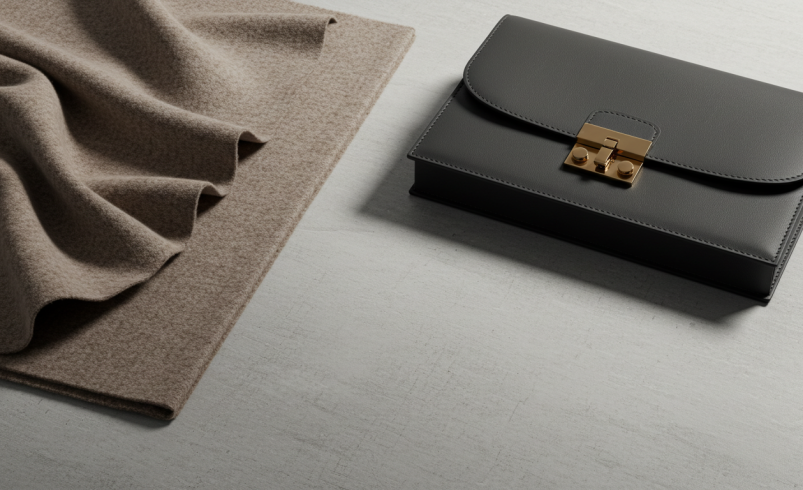
At the heart of luxury fashion lies an unwavering dedication to craftsmanship in fashion. Garments and accessories are often produced in limited quantities, allowing for an extraordinary level of attention to detail. Artisans, sometimes with decades of experience, employ traditional techniques passed down through generations, ensuring each piece meets exacting standards. Materials are sourced globally for their rarity, quality, and ethical provenance—think supple full-grain leathers, fine silks, cashmere, and precious metals. This meticulous approach ensures not only aesthetic beauty but also durability and longevity, making each item a testament to human skill and dedication.
Exclusivity, Heritage, and Brand Storytelling
Exclusivity is a cornerstone of the luxury experience. Limited production runs, bespoke services, and selective distribution channels contribute to the allure and desirability of these items. Many designer brands boast a rich historical legacy, with stories that span centuries. These narratives, often intertwined with cultural milestones and iconic figures, imbue products with a sense of timelessness and prestige. The history of fashion houses like Chanel, Hermès, and Louis Vuitton is meticulously preserved and celebrated, forming a powerful connection with consumers who seek to own a piece of that heritage. This compelling brand storytelling elevates products beyond their functional purpose, transforming them into symbols of status and personal expression within the high-end fashion market.
Iconic Designer Brands Shaping the Luxury Landscape
The landscape of luxury fashion is defined by a constellation of iconic designer brands, each with a distinct identity and enduring influence. These houses have not only dictated trends but have also shaped the very definition of elegance and style. For instance, Chanel, founded by Gabrielle “Coco” Chanel, revolutionized women’s wear with its timeless tweed suits, quilted bags, and the little black dress, establishing a legacy of sophisticated practicality. Hermès is renowned for its exceptional leather goods, particularly its coveted Birkin and Kelly bags, which exemplify unparalleled craftsmanship in fashion and exclusivity. Louis Vuitton, with its distinctive monogram and heritage in travel goods, has consistently blended tradition with contemporary design, maintaining its position as a global powerhouse. Other influential names, such as Dior, Gucci, and Prada, continue to innovate while honoring their foundational aesthetics, contributing significantly to the rich history of fashion houses and the evolution of luxury fashion.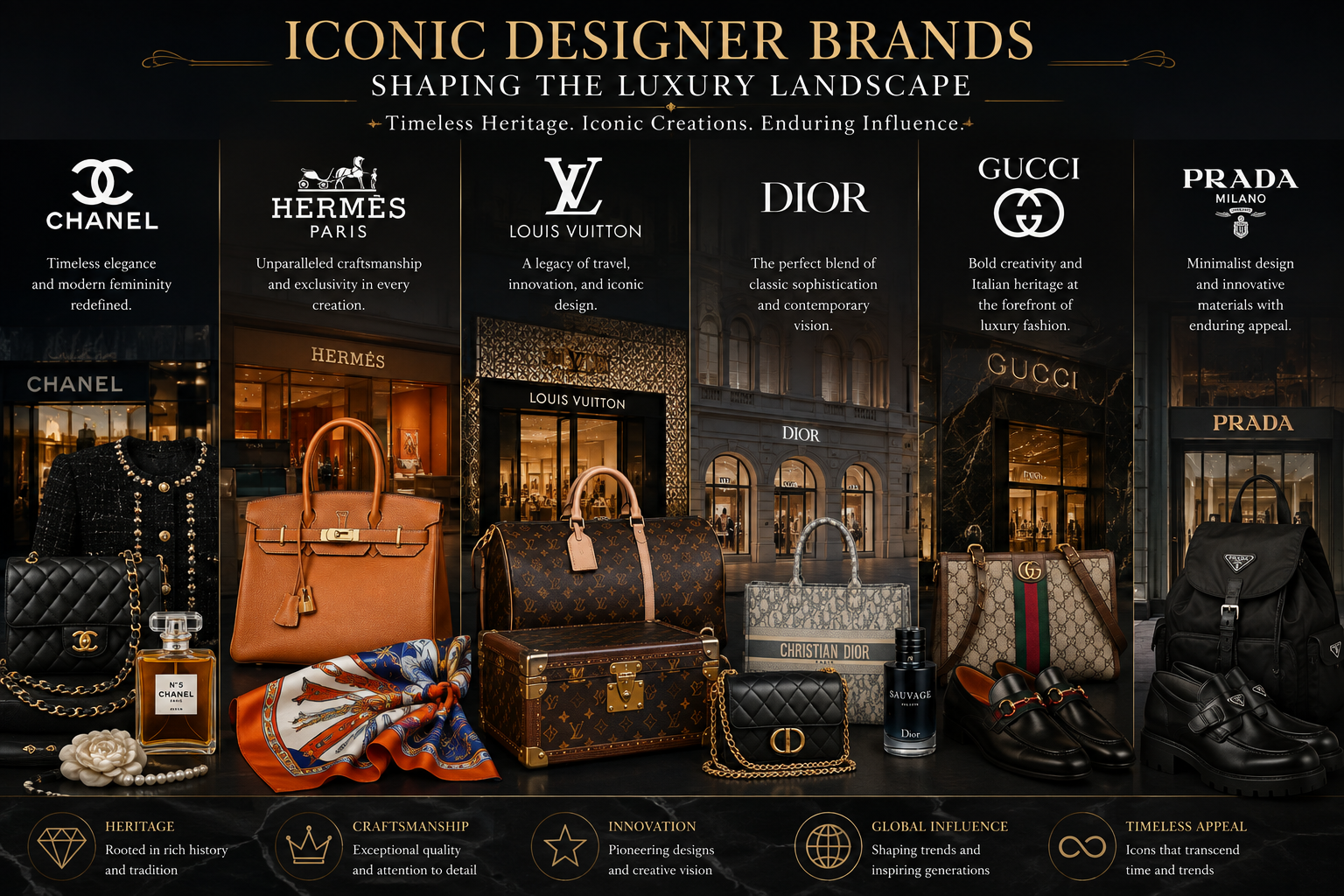
The Dynamic World of Luxury Fashion Trends
While often associated with timelessness, luxury fashion trends are a dynamic force, constantly evolving yet distinct from the rapid cycles of fast fashion. These trends emerge from a complex interplay of cultural shifts, societal values, artistic movements, and technological advancements. Unlike ephemeral fast fashion, luxury trends often represent a more considered evolution, focusing on refined silhouettes, innovative materials, and a deeper narrative. Designers interpret global influences, historical references, and contemporary sensibilities to create collections that resonate with discerning consumers. The balance between preserving a brand’s heritage and embracing innovation is crucial, ensuring that luxury fashion remains relevant and aspirational without sacrificing its core identity.
Luxury Fashion as an Investment: Value Beyond Wearability
For many, acquiring luxury fashion items transcends mere consumption; it is viewed as a tangible investment. Certain pieces, particularly those from highly sought-after designer brands or limited editions, can retain or even appreciate in value over time. Factors contributing to this investment potential include rarity, the brand’s prestige, the item’s condition, and its historical significance. Classic handbags, watches, and specific haute couture pieces are often considered assets, much like art or antiques. The key is identifying authentic luxury items that possess enduring appeal and are well-maintained.
Navigating the Resale Luxury Market
The growth of the resale luxury market has transformed how consumers interact with luxury fashion investment. This burgeoning sector provides a sustainable alternative to new purchases, offering accessibility to high-end goods at a more approachable price point. For sellers, it offers a platform to realize the investment potential of their pre-owned items. Platforms specializing in luxury resale have professional authenticators to ensure that only authentic luxury items are traded, mitigating the risk of counterfeits. This market not only extends the lifecycle of luxury goods but also democratizes access, allowing more individuals to participate in the luxury experience while promoting a more circular economy.
The Imperative of Sustainable Luxury Fashion
The call for ethical and environmentally responsible practices has profoundly impacted the luxury sector. Consumers are increasingly demanding transparency and accountability, pushing brands to integrate sustainability into their core operations. Sustainable luxury fashion is no longer a niche concept but a critical imperative. Brands are responding by re-evaluating their supply chains, investing in eco-friendly materials, and adopting more ethical labor practices. This shift reflects a broader understanding that true luxury should not come at the expense of the planet or its people, aligning with the values of conscious consumption.
Innovations in Materials and Production
To meet the demands of sustainable luxury fashion, brands are actively exploring and implementing innovative solutions. This includes the development and use of recycled fabrics, organic cotton, innovative plant-based leathers, and lab-grown diamonds. Ethical sourcing of raw materials, ensuring fair wages and safe working conditions throughout the supply chain, is also a priority. Furthermore, advancements in production techniques aim to reduce waste, water consumption, and carbon footprints. This commitment to responsible craftsmanship in fashion demonstrates a forward-thinking approach, proving that luxury and sustainability can coexist and even enhance each other.
Ensuring Authenticity: Protecting Your Luxury Investment
When engaging with luxury fashion investment, particularly within the resale luxury market, verifying authenticity is paramount. The market for counterfeit goods is substantial, and purchasing non-authentic luxury items can result in significant financial loss and disappointment. Consumers should exercise due diligence by purchasing from reputable dealers, established consignment stores, or certified online platforms that offer authentication services. Key indicators of authenticity often include meticulous stitching, high-quality hardware, correct serial numbers, and original packaging. Familiarizing oneself with the specific details and hallmarks of desired designer brands can also aid in identification. Seeking third-party authentication from experts provides an additional layer of security, safeguarding your investment and ensuring you acquire genuine luxury.
Frequently Asked Questions About Luxury Fashion
- What makes a brand luxury? A brand is typically considered luxury due to its exceptional quality, superior materials, meticulous craftsmanship, exclusivity, rich heritage, and compelling brand storytelling. It often involves limited production and a high level of personalized service.
- Is luxury fashion worth the investment? For certain items, yes. Classic pieces from established designer brands, especially those with high demand and limited availability, can retain or increase their value, making them a form of luxury fashion investment. Factors like rarity, brand prestige, and condition are crucial.
- How can I identify authentic luxury items? Look for consistent quality in stitching, hardware, and materials. Verify serial numbers, date codes, and brand markings against official records. Purchase from authorized retailers or reputable resale platforms that offer professional authentication services.
- What are the current luxury fashion trends? Current luxury fashion trends often balance timeless elegance with contemporary influences. This includes a strong emphasis on sustainability, gender-fluid designs, elevated comfort wear, and a return to classic silhouettes with modern twists.
The Future Trajectory of Luxury Fashion
The world of luxury fashion continues to evolve, balancing its rich traditions with the demands of a changing global landscape. The blend of exquisite craftsmanship in fashion and innovative design remains central, but the growing importance of sustainable luxury fashion and ethical practices is undeniable. Consumers are increasingly discerning, seeking not only beauty and quality but also transparency and purpose. The rise of the resale luxury market underscores a shift towards more circular consumption models, while the emphasis on verifying authentic luxury items protects both consumers and the integrity of the industry. As it moves forward, luxury fashion will likely continue to be an art form, a cultural touchstone, and a considered luxury fashion investment, adapting to new challenges while preserving its enduring appeal.