




Driving a manual car offers a unique connection between driver and machine, providing a sense of control and engagement often unmatched by automatic transmissions. While the initial learning curve might seem steep, understanding how to drive a manual car is a rewarding skill that opens up new driving experiences. This guide will walk you through the essential components, fundamental techniques, and practical tips to help you confidently navigate the road in a manual vehicle. From your very first time driving manual to mastering advanced maneuvers, we’ll cover everything you need to know to become a proficient manual driver.
Understanding the Manual Car’s Core Components
Before you begin to learn how to drive a manual car, it’s crucial to understand the key differences in its operation compared to an automatic. The interaction with these specific components is central to controlling a manual transmission vehicle.
The Clutch Pedal: Your Connection to the Engine
The clutch pedal, located to the left of the brake, is perhaps the most distinctive feature of a manual car. Its primary function is to disengage and engage the engine from the wheels. When you press the clutch pedal down, the engine’s power is disconnected from the transmission, allowing you to change gears without grinding them. Releasing the clutch pedal gradually re-engages the engine’s power, transferring it to the wheels. Mastering how to use clutch manual car and developing precise manual car clutch control is fundamental for smooth starts, stops, and gear changes.
The Gear Stick: Selecting Your Speed
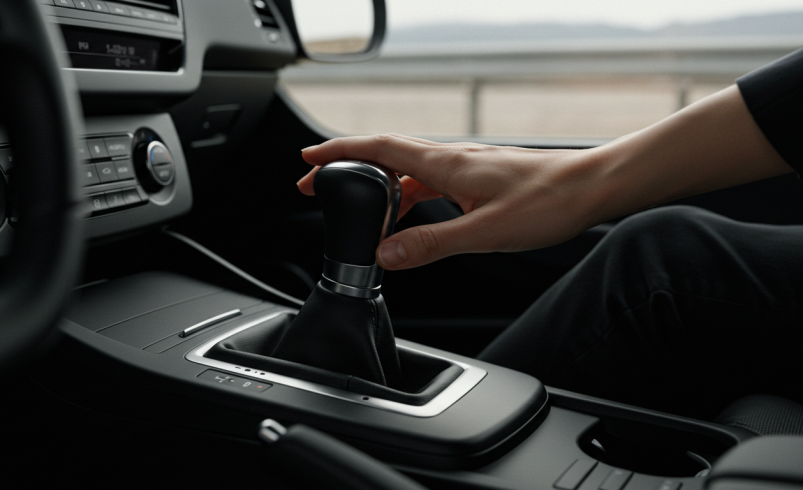
The gear stick, or shifter, allows you to select different gears within the transmission. Most manual cars use an ‘H-pattern’ layout, where each gear has a specific position. Lower gears (1st, 2nd) provide more torque for starting and accelerating at low speeds, while higher gears (4th, 5th, 6th) are for cruising at higher speeds with better fuel efficiency. Learning how to shift gears manual car effectively involves understanding when to select each gear based on speed and engine RPM.
Accelerator and Brake: Standard Controls with a Manual Twist
The accelerator (gas pedal) and brake pedal function similarly to an automatic car, controlling speed and deceleration. However, in a manual car, their use is intricately linked with the clutch and gear stick. Smooth operation requires coordinating all three pedals, especially when starting, stopping, and changing gears. This coordination is a core aspect of learning how to drive a manual car proficiently.
Preparing for Your First Time Driving Manual
Before attempting to move the car, proper preparation can significantly ease your first time driving manual and build confidence.
Getting Comfortable in the Driver’s Seat
Adjust your seat so you can fully depress the clutch pedal with your left foot while maintaining a slight bend in your knee. Ensure you can comfortably reach the accelerator and brake pedals with your right foot. Adjust your mirrors for optimal visibility. Proper seating position is one of the crucial manual car driving tips for control and comfort.
Familiarizing Yourself with the Controls (Engine Off)
With the engine off, sit in the driver’s seat and practice pressing the clutch pedal repeatedly. Feel the resistance and the full range of motion. Then, practice moving the gear stick through all its positions (1st, 2nd, 3rd, 4th, 5th, Reverse, Neutral). This helps build muscle memory for how to use clutch manual car and how to shift gears manual car without the pressure of a running engine.
How to Start a Manual Car: The Fundamental Step
Getting the car moving from a standstill is often the first hurdle for new manual drivers. Here’s how to start a manual car smoothly.
The Initial Startup: Clutch Down, Ignition On
- Ensure the car is in Neutral.
- Press the clutch pedal all the way to the floor with your left foot.
- Turn the ignition key to start the engine.
- With the engine running and the clutch still fully depressed, shift the gear stick into 1st gear.
- Release the handbrake.
Finding the Bite Point: Manual Car Clutch Control
This is the most critical step for moving forward without stalling. The ‘bite point’ is where the clutch plates begin to engage, and the engine’s power starts to transfer to the wheels. To find it:
- Slowly and smoothly lift your left foot off the clutch pedal.
- As you lift, you’ll feel the engine RPMs drop slightly, and the car might begin to creep forward. This is the bite point.
- At the same time, gently apply a small amount of accelerator with your right foot to give the engine enough power to prevent it from stalling.
- Continue to slowly release the clutch fully while increasing accelerator input until the car is moving steadily.
Practicing this coordination is key to effective manual car clutch control and crucial for manual car stalling prevention.
How to Shift Gears in a Manual Car: Up and Down
Once moving, you’ll need to change gears to match your speed and driving conditions. Learning how to shift gears manual car smoothly is a skill that improves with practice.
Upshifting Smoothly: Accelerate and Change
As you accelerate, the engine RPMs will rise. When they reach an appropriate level (often indicated by a shift light or simply by engine sound, typically between 2,500-3,500 RPM for most cars), it’s time to upshift:
- Lift your right foot off the accelerator.
- Press the clutch pedal all the way to the floor.
- Move the gear stick from the current gear to the next higher gear (e.g., from 1st to 2nd).
- Slowly release the clutch pedal while simultaneously pressing the accelerator pedal again. The goal is to match the engine speed to the new gear’s speed for a smooth transition.
Smooth upshifting is one of the most important manual car driving tips for comfortable and efficient driving.
Downshifting for Control and Power
Downshifting is used to slow down, prepare for acceleration, or for engine braking. It involves reversing the upshifting process:
- Lift your right foot off the accelerator.
- Press the clutch pedal all the way to the floor.
- Move the gear stick from the current gear to a lower gear (e.g., from 4th to 3rd).
- As you release the clutch, you may need to blip the accelerator slightly to match the engine RPMs to the higher speed of the lower gear. This prevents a jerky transition.
- Release the clutch fully.
Effective downshifting contributes to better control and can reduce wear on your brakes, making it a valuable skill for manual car driving tips.
Mastering Essential Manual Driving Techniques
Beyond basic starting and shifting, several techniques enhance your ability to how to drive a manual car in various situations.
Manual Car Hill Start: Conquering Inclines
Starting on an incline without rolling backward can be challenging. The handbrake method is highly recommended for beginners:
- Stop on the hill, engage the handbrake, and put the car in 1st gear with the clutch fully depressed.
- Find the clutch’s bite point while gently applying accelerator. You’ll feel the car wanting to pull forward against the handbrake.
- Once you feel the car pulling, release the handbrake while simultaneously increasing accelerator input and smoothly releasing the clutch.
This technique ensures a controlled manual car hill start.
Manual Car Stalling Prevention: Keeping the Engine Alive
Stalling typically occurs when the engine doesn’t have enough power to overcome the load of the transmission, often due to releasing the clutch too quickly or not applying enough accelerator. To prevent stalling:
- Always ensure the clutch is fully depressed when coming to a stop or changing gears.
- Practice finding the bite point and coordinating it with gentle, consistent accelerator input.
- When starting, give the engine slightly more gas than you think you need, then slowly ease off as the clutch engages.
Refining your manual car clutch control is the best defense against stalling.
Smooth Stops and Starts: Refining Your Technique
To stop smoothly, gradually apply the brake. As your speed decreases and the engine RPMs drop, press the clutch pedal fully to disengage the engine before the car comes to a complete stop. This prevents stalling. For restarts, apply the bite point technique described earlier. Consistent practice of these manual car driving tips will lead to seamless transitions.
Manual Car Driving Tips for New Drivers
Beyond the mechanics, these general manual car driving tips will help you gain confidence and proficiency, especially for your first time driving manual.
Practice Makes Perfect: Consistent Driving
The most effective way to learn is through consistent practice. Start in a safe, open area like an empty parking lot. Gradually move to quiet residential streets, then to more varied traffic conditions. Repetition builds muscle memory and intuition.
Listening to Your Car: Engine Sounds and RPMs
Pay attention to the sound of your engine. A high-pitched whine indicates you need to upshift, while a low rumble or struggling sound suggests you need to downshift. The tachometer (RPM gauge) provides a visual cue, but learning to interpret engine sounds will make your driving more intuitive and less reliant on looking at the dash.
Anticipating Traffic: Planning Your Shifts
Unlike an automatic, a manual car requires you to actively choose the correct gear. Look ahead at traffic conditions, upcoming turns, and inclines. Planning your shifts in advance allows for smoother transitions and maintains momentum, reducing the need for sudden braking or acceleration.
Frequently Asked Questions About Driving a Manual Car
Is driving a manual car difficult for a first-timer?
Learning to drive a manual car presents an initial challenge due to the coordination required between three pedals and the gear stick. However, with patience and consistent practice, most individuals find it becomes intuitive within a few hours or days. The initial difficulty for a first time driving manual quickly gives way to a rewarding skill.
How long does it take to learn to drive a manual car?
The time it takes to learn how to drive a manual car varies greatly among individuals. Some may grasp the basics in a single extended session (2-4 hours), while others might need several days or weeks of regular practice to feel truly comfortable and proficient. Consistent exposure to different driving scenarios is key to solidifying the skill.
What are the benefits of driving a manual car?
Driving a manual car offers several advantages. Many drivers report a greater sense of control and engagement with the vehicle. Manual cars can sometimes offer better fuel economy than their automatic counterparts, depending on the model and driving style. They often have lower purchase prices and can be simpler to maintain. Furthermore, knowing manual car driving tips and techniques expands your driving capabilities globally, as manual transmissions are prevalent in many parts of the world.
Conclusion: The Rewarding Journey of Driving a Manual Car
Learning how to drive a manual car is a journey that transforms you into a more skilled and engaged driver. While it demands coordination and practice, the satisfaction of smoothly executing a gear change, mastering a hill start, and feeling truly connected to your vehicle is immense. By understanding the components, practicing the techniques, and applying these manual car driving tips, you’ll not only overcome the initial challenges but also gain a valuable skill that enhances your overall driving experience. Embrace the practice, listen to your car, and enjoy the rewarding control that comes with driving a manual transmission.