




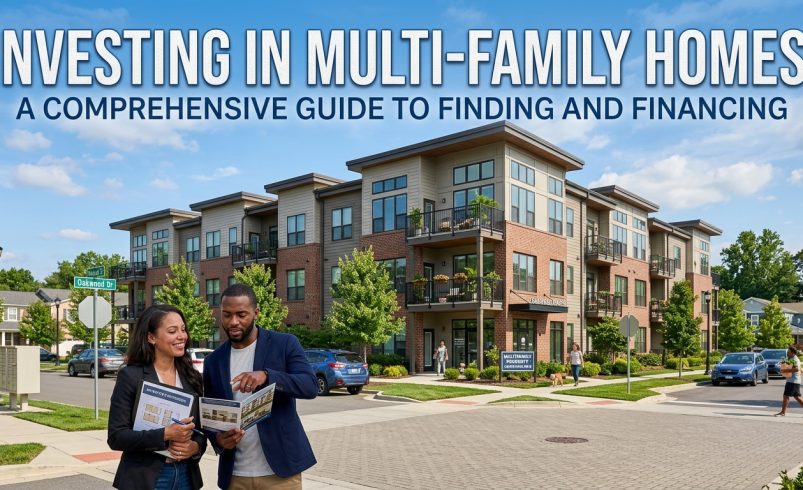

Exploring multi family homes for sale presents a compelling opportunity for individuals looking to enter the real estate market, expand their investment portfolio, or even reduce their personal housing costs. These properties offer a unique blend of residential living and income generation, making them attractive to both first-time buyers and seasoned investors. Understanding how to identify, evaluate, and finance these assets is crucial for success. This guide will walk you through the various aspects of acquiring multi-family properties, from defining different types to navigating the purchasing process.
Understanding Multi-Family Properties: Types and Definitions
A multi-family property is a residential building designed to house more than one family or tenant, with each unit typically having its own entrance, kitchen, and bathroom facilities. These properties are a distinct category within real estate, offering different characteristics and investment potential compared to single-family homes. When searching for multi unit homes for sale, it’s helpful to understand the common classifications.
Duplexes: Two Units, One Property
A duplex for sale consists of two separate living units within a single building structure. These units can be side-by-side, sharing a common wall, or stacked one above the other. Duplexes are often an ideal entry point for new investors or owner-occupants because they typically involve less complex management than larger multi-unit properties. They allow for rental income from one unit to help offset the mortgage on the other, providing a practical introduction to real estate investment.
Triplexes and Quadplexes: Expanding Your Rental Portfolio
Moving beyond duplexes, a triplex contains three distinct living units, and a quadplex (or fourplex) has four. Finding a triplex for sale or a quadplex offers increased income potential due to the additional rental units. While they provide greater cash flow opportunities, they also introduce more management responsibilities, such as coordinating multiple tenants, maintenance for more units, and potentially higher operating costs. These properties are still often financed with residential loans, similar to single-family homes, making them accessible to many buyers.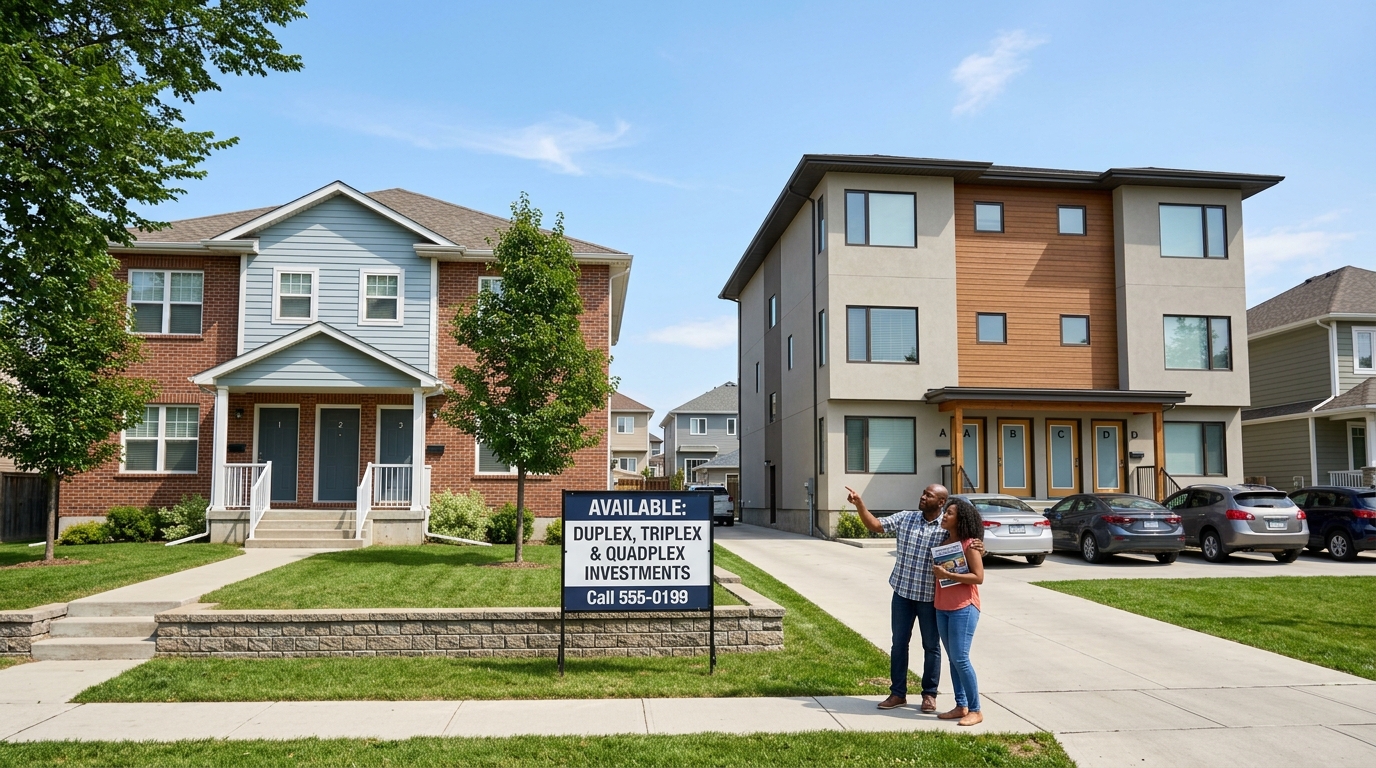
Larger Multi-Unit Buildings
Properties with more than four units are generally classified differently for financing and regulatory purposes. These larger multi-unit buildings, often referred to as apartment buildings or complexes, typically require commercial financing and are managed more like a business operation. While they fall under the umbrella of multi unit homes for sale, the acquisition and management strategies differ significantly from smaller multi-family properties.
Benefits of Multi-Family Homes: Why Invest?
The decision to invest in multi family homes for sale is often driven by a desire for financial growth and stability. These properties offer several distinct advantages that make them attractive as investment properties multi family, contributing to a robust multi family real estate investment strategy.
Generating Consistent Rental Income
One of the primary benefits of a multi family real estate investment is the ability to generate consistent rental income from multiple units. This diversification reduces the risk associated with vacancy; if one unit is empty, income from the other units can help cover expenses. This steady cash flow can contribute significantly to an investor’s financial goals.
Owner-Occupant Advantages (House Hacking)
For many, the most appealing aspect ofmulti family homes for sale is the concept of ‘house hacking.’ This involves living in one unit of the property while renting out the others. The rental income from the other units can substantially offset or even cover the entire mortgage payment, allowing the owner-occupant to live at a reduced cost or even for free. This strategy makes multi family homes for sale more attractive to buyers who want to generate rental income while reducing their housing costs. It can also make multi family homes for sale an appealing option for those with limited capital for a down payment on a purely investment property. For many, the most appealing aspect of multi-family properties is the concept of ‘house hacking.’ This involves living in one unit of the property while renting out the others. The rental income from the other units can substantially offset or even cover the entire mortgage payment, allowing the owner-occupant to live at a reduced cost or even for free. This strategy makes it more feasible to buy multi family property, especially for those with limited capital for a down payment on a purely investment property.
Long-Term Appreciation and Wealth Building
Like other forms of real estate, multi-family properties have the potential for long-term appreciation. As property values generally increase over time, so does the equity in the building. Coupled with the principal reduction from mortgage payments and the income generated, this creates a powerful wealth-building vehicle. Investing in investment properties multi family allows for leveraging rental income to pay down debt and build significant equity.
Finding Multi-Family Homes for Sale: Your Search Strategy
Locating suitable multi family homes for sale requires a strategic approach. Knowing where to look and how to refine your search can significantly streamline the process and help you find properties that align with your investment goals, especially if you’re targeting multi family homes near me.
Online Listing Platforms and Real Estate Websites
The most common starting point for finding suitable properties is online real estate platforms. Websites like Zillow, Realtor.com, LoopNet, and Redfin allow users to filter searches specifically for multi-family properties, duplexes, triplexes, or quadplexes. You can set parameters for price, location, number of units, and other features to narrow down your search. Regularly checking these sites and setting up alerts for new listings can keep you informed of opportunities as they arise.
Working with Experienced Real Estate Agents
Partnering with a real estate agent who specializes in investment properties or multi-family units can provide a significant advantage. These agents often have access to off-market listings, a deep understanding of local rental markets, and expertise in evaluating the income potential of properties. They can guide you through the complexities of purchasing a multi-family home and help you buy multi family property that meets your criteria.
Targeting ‘Multi Family Homes Near Me’
Focusing your search on multi family homes near me or in specific geographic areas you know well can be highly beneficial. Local market knowledge is invaluable for understanding rental demand, typical rental rates, property values, and neighborhood trends. This localized approach helps in making informed decisions about potential returns and property management.
Financing Multi-Family Homes: Loan Options and Considerations
Understanding the various financing options is a critical step when considering The type of loan you qualify for and its terms will significantly impact your ability to how to buy a multi family home and the overall profitability of your investment. Different loan products cater to different property sizes and buyer intentions.
Conventional Loans for Multi-Unit Properties
Conventional loans are a common financing route for multi-family properties with 2-4 units. These loans are offered by private lenders and are not government-backed. They typically require a higher credit score and a larger down payment (often 20-25% for investment properties, though less for owner-occupied). For those looking into financing multi family homes, conventional loans offer competitive interest rates and flexible terms, especially for well-qualified borrowers.
FHA Loans for Owner-Occupied Multi-Family Homes
The Federal Housing Administration (FHA) offers loans that can be used to purchase multi-family properties with 2-4 units, provided the buyer intends to occupy one of the units as their primary residence. FHA loans are attractive because they allow for lower down payments, often as low as 3.5%. This makes them an excellent option for individuals wondering how to buy a multi family home with less upfront capital, particularly for owner-occupant strategies.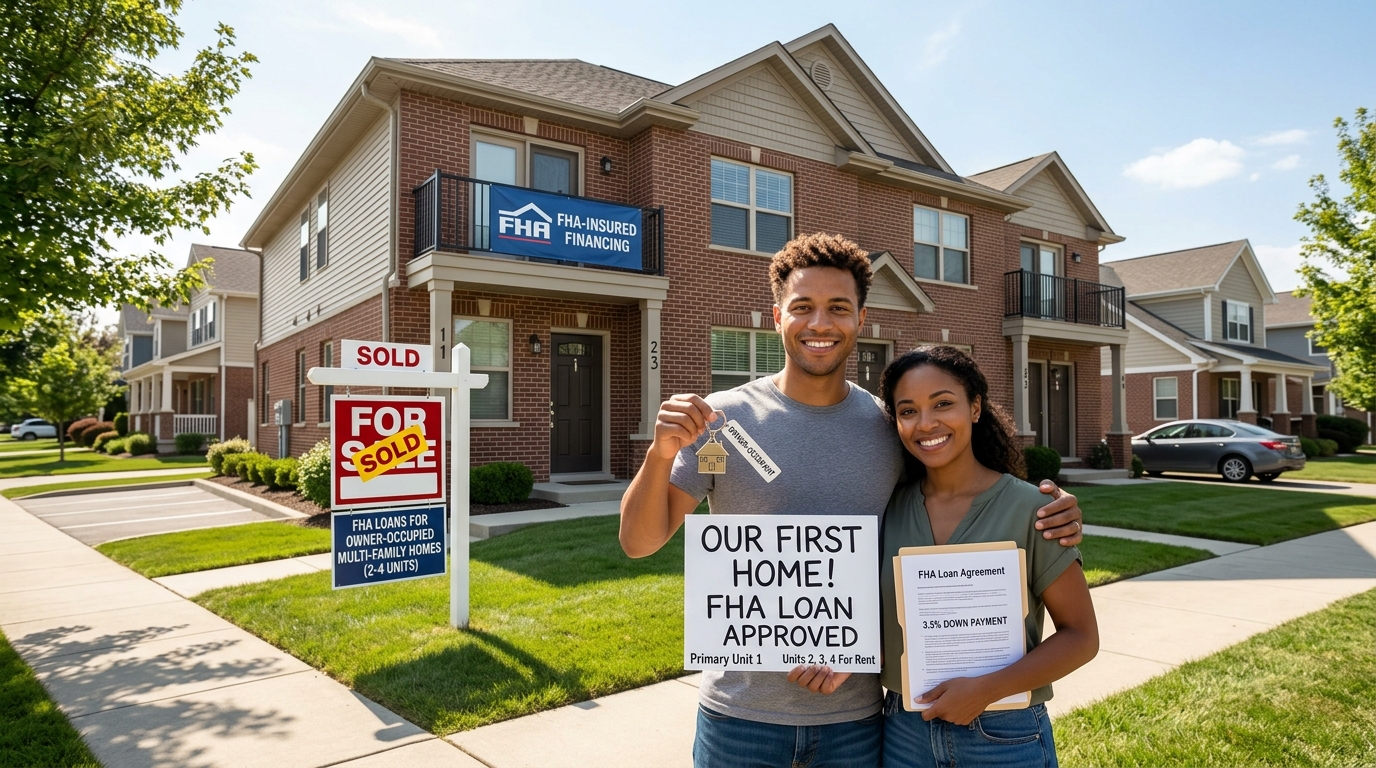
Commercial Loans for Larger Investments
For properties with five or more units, commercial loans are typically required. These loans differ significantly from residential mortgages, often having shorter terms, higher interest rates, and more stringent qualification criteria based on the property’s income-generating potential rather than the borrower’s personal income. This is a key consideration for larger-scale multi family real estate investment.
Understanding Down Payments and Interest Rates
Down payment requirements for financing multi family homes vary widely based on the loan type, the number of units, and whether you plan to occupy the property. Owner-occupied multi-family homes often qualify for lower down payments (e.g., FHA’s 3.5%), while purely investment multi-family properties typically require 15-25% or more. Interest rates are influenced by market conditions, your creditworthiness, and the loan type. It’s advisable to shop around with multiple lenders to compare offers and secure the most favorable terms.
The Process: How to Buy a Multi-Family Property
Acquiring a multi-family property involves several distinct stages, each requiring careful attention. Understanding this process is essential for anyone asking how to buy a multi family home and successfully navigating the transaction to buy multi family property.
Market Analysis and Due Diligence
Before making an offer, conduct thorough market analysis. Research local rental rates, vacancy rates, property values, and economic trends in the area. Due diligence also involves reviewing the property’s financial history, including past rental income, operating expenses, and any deferred maintenance. This step is crucial for evaluating the potential of multi family real estate investment.
Property Valuation and Financial Projections
Accurately valuing a multi-family property involves more than just comparing it to similar sales. You’ll need to calculate potential rental income, subtract operating expenses (taxes, insurance, utilities, maintenance, property management fees), and project cash flow. Understanding these financial projections is vital for determining if a property is a sound addition to your portfolio of investment properties multi family.
Making an Offer and Negotiation
Once you’ve identified a suitable property and completed your financial analysis, you’ll make an offer. This offer should include contingencies, such as a satisfactory inspection, appraisal, and financing approval. Be prepared to negotiate on price and terms. An experienced real estate agent can be invaluable during this phase to ensure your interests are protected as you aim to buy multi family property.
Inspections, Appraisals, and Closing
After an offer is accepted, the property will undergo professional inspections to identify any structural issues, necessary repairs, or safety concerns. An appraisal will determine the property’s fair market value, which lenders use to approve the loan amount. Finally, the closing process involves signing all necessary documents, transferring funds, and officially taking ownership. This final stage completes the journey of how to buy a multi family home.
Multi-Family Real Estate Investment Strategies
Once you own a multi-family property, various strategies can be employed to maximize returns and achieve your financial objectives. A well-defined approach is key to successful multi family real estate investment.
Long-Term Rental Strategy
The most common strategy for multi family real estate investment is holding properties for long-term rentals. This focuses on consistent cash flow from rent, gradual appreciation, and mortgage principal reduction. It’s a relatively passive approach once tenants are in place, providing steady income and wealth accumulation over time.
Value-Add Opportunities
Some investors seek out investment properties multi family that are undervalued or in need of renovation. By investing in upgrades, such as modernizing kitchens, bathrooms, or common areas, they can increase rental income and significantly boost the property’s overall value. This ‘value-add’ strategy requires a greater initial investment and active management but can yield substantial returns.
Property Management Considerations
Managing multi-family properties can be time-consuming, involving tenant screening, rent collection, maintenance, and addressing issues. Investors can choose to self-manage, which saves on costs but requires a significant time commitment, or hire a professional property management company. A property manager handles day-to-day operations, allowing investors to focus on other ventures or enjoy a more passive income stream from their multi family real estate investment.
Frequently Asked Questions About Multi-Family Homes
Is a multi-family home a good investment?
Yes, for many, a multi-family home can be an excellent investment. It offers diversified income streams, potential for significant appreciation, and the unique advantage of ‘house hacking’ for owner-occupants. The ability to generate rental income to offset mortgage costs makes investment properties multi family a strong option for wealth building and financial independence.
What is the minimum down payment for a multi-family home?
The minimum down payment varies. For owner-occupied 2-4 unit properties, an FHA loan can require as little as 3.5% down. For conventional loans on owner-occupied multi-family homes, down payments typically start around 5-10%. For purely investment multi family homes for sale, conventional loans usually require 15-25% down or more. This is a key aspect of financing multi family homes.
Can I get an FHA loan for a multi-family property?
Yes, you can get an FHA loan for a multi-family property with 2-4 units, provided you intend to live in one of the units as your primary residence. This is a popular option for those learning how to buy a multi family home with a lower down payment.
How do I find multi-family homes for sale in my area?
To find multi family homes near me, start by using online real estate platforms (Zillow, Realtor.com) and filtering for multi-family properties. Additionally, connect with local real estate agents who specialize in investment properties, as they often have access to exclusive listings and local market insights.
Your Path to Owning Multi-Family Homes
Investing in residential multi-family properties offers a robust pathway to financial growth, whether you’re seeking consistent rental income, aiming to reduce your housing expenses through owner-occupancy, or building long-term wealth. By understanding the different types of properties, exploring financing options, and following a diligent purchasing process, you can successfully buy a multi-family property that aligns with your objectives. With careful planning and execution, multi-family real estate can be a cornerstone of a strong financial future.