


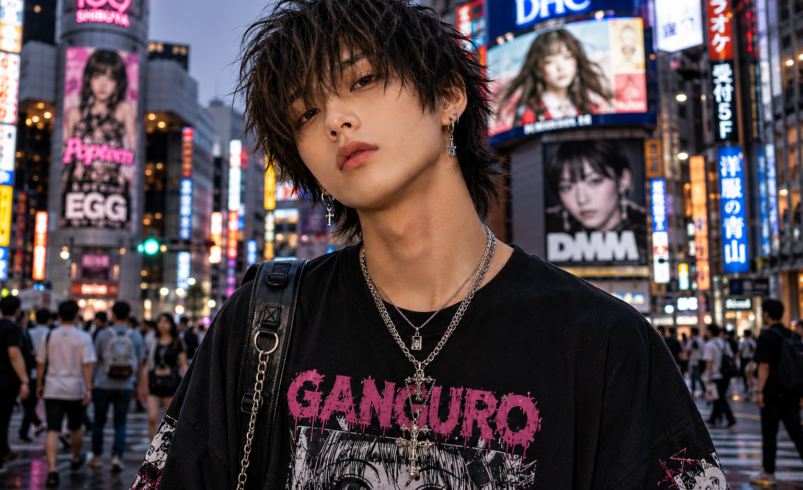

Gyaru fashion represents a distinct Japanese subculture that emerged as a powerful statement against traditional beauty standards. Characterized by its emphasis on self-expression, individuality, and a glamorous aesthetic, gyaru has significantly impacted street style both within Japan and globally. This article will explore the origins, evolution, diverse expressions, and lasting influence of this captivating fashion movement, providing insights into its history, various styles, and how to achieve its iconic looks.
Understanding Gyaru: What Defines This Unique Style?
Gyaru as a Youth-Culture Movement, Not Just a Fashion Trend
Gyaru is better understood as a broader youth-culture phenomenon rather than simply a checklist of clothing, makeup, and hairstyles. Research on Japanese street fashion shows that young people in districts such as Shibuya and Harajuku have historically played an active role in creating, adapting, and circulating fashion rather than simply following trends created by established designers.
The meaning of gyaru has also changed over time. Different generations and communities have interpreted the style differently, so there is no single appearance that defines every person who identifies with gyaru. Treating the subculture as a diverse and evolving community gives readers a more accurate understanding than presenting one fixed “gyaru uniform.”
At its core, gyaru fashion is about embracing a vibrant, often unconventional, and highly stylized appearance. The term “gyaru” itself is a Japanese transliteration of the English word “gal,” signifying a youthful, confident, and fashion-conscious woman. While specific aesthetics vary widely across its many sub-styles, common threads include a focus on elaborate hair, distinctive makeup (often emphasizing large eyes), fashionable clothing, and a general air of confidence and independence. It is a style that prioritizes personal flair over conformity, allowing individuals to craft unique identities through their appearance. Understanding what is gyaru involves recognizing this spirit of rebellion and self-creation.
A Journey Through Time: The History of Gyaru Fashion
The history of gyaru fashion traces back to the early 1990s, emerging from the Shibuya district of Tokyo. Initially, it was a counter-cultural movement, with young women rejecting the conventional Japanese ideal of pale skin, dark hair, and natural makeup. Early gyaru embraced tanned skin, bleached hair, and bold makeup, drawing inspiration from Western pop culture and fashion magazines. The mid-to-late 1990s saw the rise of iconic styles like Ganguro, which pushed these aesthetics to more extreme levels. The early 2000s brought further diversification, with the emergence of more refined and glamorous styles, often influenced by celebrity culture and fashion trends. Magazines like Egg and Popteen played a crucial role in disseminating trends and fostering the gyaru community. While its peak mainstream popularity in Japan has shifted, gyaru has continued to evolve, adapting to new fashion cycles and maintaining a dedicated following, influencing global street style and beauty trends.
From Kogyaru to Ganguro: An Important Historical Distinction
A useful addition to the history of gyaru is the distinction between kogyaru and later ganguro styles. Kogyaru became an important 1990s youth-fashion development associated with Shibuya, while ganguro emerged as a later and more visually extreme expression within the broader gyaru landscape. This distinction matters because “gyaru” has never represented one completely uniform look; its identity developed through successive communities, trends, and reinterpretations.
The Role of Magazines, Street Snaps, and Shibuya Fashion Culture
Print media helped turn local street styles into recognizable fashion communities. The magazine egg, for example, documented gyaru looks, introduced readers to emerging trends, and helped connect street fashion with models, shops, beauty techniques, and youth culture. This magazine-and-street relationship is important to understanding gyaru fashion. Trends could move between shoppers, street-fashion participants, shops, photographers, magazines, and readers.
The Spectrum of Style: Different Gyaru Styles Explored
The rich tapestry of gyaru fashion is best understood through its numerous sub-styles, each with distinct aesthetics and cultural nuances. These variations demonstrate the movement’s adaptability and its capacity for individual expression.
Gyaru Style Comparison: How the Major Aesthetics Differ
| Gyaru Style | Typical Visual Direction | Key Fashion Features | Overall Character |
| Ganguro | Darker tan, light hair, strong contrast makeup | Trend-focused casual pieces | Bold and rebellious |
| Yamanba | More exaggerated version of earlier extreme styles | Bright accessories and playful details | Highly expressive |
| Hime Gyaru | Princess-inspired and ornate | Frills, bows, pastel dresses | Romantic and elaborate |
| Agejo | Mature, glamorous styling | Fitted dresses and polished accessories | Sophisticated and dramatic |
| Onee Gyaru | Refined and mature | Tailored and fashionable pieces | Elegant and polished |
| Amekaji | American casual influence | Denim, sneakers, casual layers | Relaxed and sporty |
| Rokku Gyaru | Rock-inspired | Darker clothing and edgy accessories | Alternative and confident |
| Manba | Colorful, highly stylized | Bright details and expressive accessories | Playful and extreme |
These categories should be treated as broad style descriptions rather than rigid rules. Gyaru communities have continually mixed influences, and individual outfits may borrow elements from several aesthetics.
From Ganguro to Yamanba: The Bold Beginnings
Among the earliest and most visually striking different gyaru styles were Ganguro and Yamanba. Ganguro, prominent in the late 1990s, featured deeply tanned skin, often achieved through tanning salons or dark foundation, contrasted with bleached blonde or silver hair. Makeup included white eyeliner around the eyes, dark eyeliner, and often pastel eyeshadows, along with decorative facial stickers. Yamanba, an even more extreme offshoot, intensified these elements with even darker tans, white lipstick, and often brightly colored, messy hair, sometimes adorned with plastic flowers or toys. These styles were a direct challenge to traditional Japanese beauty standards, embodying a rebellious spirit.
Elegant and Glamorous: Hime Gyaru and Agejo
As gyaru evolved, more refined aesthetics emerged. Hime Gyaru (Princess Gyaru) embraced an opulent, doll-like appearance. This style is characterized by elaborate, voluminous hair (often achieved with extensions and intricate updos), frilly dresses, pastel colors, bows, and delicate accessories. The makeup is typically softer, focusing on large, innocent-looking eyes. Agejo, on the other hand, presented a more mature and sophisticated glamour, often associated with hostesses or nightlife. It features sexy, form-fitting dresses, high heels, and dramatic, often smoky eye makeup with long eyelashes. Hair is typically voluminous and styled in elegant curls or waves, projecting an aura of confident allure.
Casual and Chic: Onee Gyaru and Amekaji
For those seeking a more understated yet fashionable approach, styles like Onee Gyaru and Amekaji offered alternatives. Onee Gyaru (Older Sister Gyaru) represents a more mature and elegant aesthetic. It emphasizes sophisticated fashion, often incorporating designer brands, tailored pieces, and a polished appearance. Makeup is refined, focusing on natural-looking enhancements rather than overt drama. Amekaji (American Casual) draws heavily from American street style, blending comfortable and sporty elements with gyaru flair. This can include denim, hoodies, sneakers, and graphic tees, often paired with gyaru hair and makeup, creating a relaxed yet stylish look.
Beyond the Mainstream: Other Niche Gyaru Styles
The diversity of different gyaru styles extends to numerous niche variations. Rokku Gyaru incorporates rock music influences, featuring darker clothing, band tees, leather, and edgier accessories. Manba, an evolution of Yamanba, maintained the extreme tan and white makeup but often added more colorful and playful elements. These and other less common styles demonstrate the continuous innovation and personal interpretation within the gyaru community.
Achieving the Look: A Guide to Gyaru Aesthetics
For those interested in understanding how to achieve gyaru look, it involves a combination of specific makeup techniques, hair styling, clothing choices, and accessories that collectively create the desired aesthetic.
The Art of Transformation: A Gyaru Makeup Tutorial Overview
A fundamental aspect of how to achieve gyaru look is the distinctive makeup. While a full gyaru makeup tutorial would be extensive, the core principles involve creating the illusion of larger, more doll-like eyes. This is achieved through liberal use of black eyeliner, often extending beyond the natural eye line, and multiple layers of false eyelashes on both upper and lower lids. Circle lenses are frequently used to enhance eye size. Contouring and highlighting are employed to sculpt the face, and lips are often kept nude or in soft pinks, sometimes with a slight ombré effect or a focus on a plump, pouty appearance. The overall goal is to transform facial features to align with the chosen gyaru sub-style’s ideal.
Choosing a Gyaru Makeup Direction
Because gyaru includes multiple sub-styles, makeup does not need to look identical across every aesthetic. A softer Onee Gyaru-inspired approach can emphasize polished eyes and refined complexion makeup, while historically extreme styles used much stronger contrast and dramatic visual elements. Choosing the sub-style first can therefore make the makeup, hairstyle, clothing, and accessories feel more cohesive.
For practical beauty routines, it is also important to prioritize eye comfort and product safety. Cosmetic products should be used according to their instructions, and products intended for the eye area should be kept clean and replaced as recommended. Vision-related accessories should be treated as a health and safety matter rather than simply as a fashion accessory.
Iconic Tresses: Gyaru Hair Styles and Techniques
Gyaru hair styles are typically voluminous, often featuring elaborate curls, waves, or intricate updos. Bleached or dyed hair in shades of blonde, brown, or even vibrant colors is common, with highlights, lowlights, and ombré effects frequently used. Hair extensions are a staple for adding length and volume, allowing for dramatic styling. The emphasis is on creating a luxurious, often bouncy, and perfectly coiffed look that complements the overall glamorous aesthetic.
Hair Health and Long-Term Styling Considerations
The dramatic hair associated with some gyaru aesthetics can require substantial styling, coloring, heat, or extensions. A practical approach is to adapt the visual effect to the condition and needs of the hair rather than treating extreme volume or color as a requirement. Heat protection, appropriate aftercare, professional coloring when needed, and breaks from intensive styling can help reduce unnecessary damage.
Wardrobe Essentials: Understanding Gyaru Clothing Brands and Silhouettes
The clothing aspect of gyaru fashion varies significantly by sub-style. However, common themes include body-conscious silhouettes, layering, and an emphasis on current trends adapted with a gyaru twist. For glamorous styles like Agejo, this might mean form-fitting dresses, skirts, and blouses. For more casual styles like Amekaji, it could involve branded hoodies, denim shorts, and sneakers. While specific gyaru clothing brands have come and gone, the general categories include fast fashion retailers, specialized Shibuya 109 brands, and sometimes even luxury labels, all chosen to create a cohesive and stylish ensemble that reflects the individual’s chosen gyaru aesthetic.
Building a Gyaru Outfit Without Relying on One Specific Brand
A strong gyaru outfit is defined more by coordination than by owning a particular label. Start with the desired sub-style, choose a main silhouette, and then build the outfit through complementary hair, makeup, footwear, and accessories. This approach also reflects the flexibility of Japanese street fashion, where participants combined commercially available clothing with personal styling rather than simply reproducing designer runway looks.
The Finishing Touches: Essential Gyaru Accessories
Gyaru accessories are crucial for completing any gyaru look. Long, elaborately decorated nails (often acrylic or gel with intricate designs, rhinestones, or 3D elements) are a hallmark. Statement jewelry, such as large earrings, necklaces, and rings, is common. Bags, often designer-inspired or featuring bold patterns, are also important. Other embellishments can include hair bows, headbands, sunglasses, and even specific phone cases, all contributing to the overall polished and detailed appearance.
Creating a Cohesive Look: The Styling Formula
- Choose one gyaru sub-style as the starting point.
- Select clothing that communicates that aesthetic clearly.
- Match the hair volume, texture, and color to the outfit.
- Use makeup to reinforce the chosen visual direction.
- Add accessories as finishing details rather than competing focal points.
- Adjust the intensity to suit personal comfort and everyday needs.
This flexible approach keeps gyaru fashion focused on self-expression instead of turning the subculture into a rigid set of rules.
Gyaru in the Present: Modern Gyaru Trends and Global Influence
While the mainstream visibility of gyaru fashion in Japan has evolved since its peak, the subculture remains active and influential. Modern gyaru trends often lean towards more refined and adaptable styles, blending traditional gyaru elements with contemporary fashion. There’s a continued emphasis on voluminous hair, dramatic eye makeup, and fashionable clothing, but often with a softer, more approachable edge compared to the extreme styles of the past. The community thrives online, with influencers and dedicated enthusiasts sharing their looks and techniques. Globally, gyaru has left an indelible mark on beauty and street style, inspiring makeup techniques, hair trends, and a general appreciation for bold self-expression. Its legacy continues through its influence on other fashion subcultures and its enduring message of individuality.
From Japanese Street Culture to Global Gyaru Communities
One of the most important changes in modern gyaru is the role of digital communities. Earlier generations relied heavily on physical locations, magazines, shops, and face-to-face networks, while contemporary participants can encounter, interpret, and share gyaru aesthetics across geographic boundaries. Social platforms have expanded the reach of Japanese youth fashions and allowed international communities to participate in and reinterpret the aesthetic.
This globalization also means that gyaru outside Japan should not automatically be treated as an exact copy of Japanese historical styles. Local communities reinterpret the aesthetic according to their own fashion environments, available brands, beauty practices, and cultural experiences. The result is an evolving international form of subcultural participation.
What Has Stayed Consistent in Gyaru Fashion?
- Strong attention to styling and presentation
- Deliberate use of hair and makeup as identity markers
- Experimentation with mainstream fashion
- Community-driven trend creation
- A willingness to stand apart from conventional expectations
- Personal interpretation rather than one mandatory outfit
This continuity helps explain why gyaru can change visually while still remaining recognizable as a distinct fashion culture.
Frequently Asked Questions About Gyaru Fashion
What is the core philosophy behind gyaru fashion?
The core philosophy behind gyaru fashion is self-expression and a deliberate rejection of conventional beauty standards. It emphasizes individuality, confidence, and the freedom to create a personal aesthetic that stands out, often embracing glamour and a “gal-like” attitude.
Is gyaru fashion still popular today?
While its mainstream presence has shifted, gyaru fashion continues to be popular within dedicated communities, particularly online. Modern gyaru trends often adapt to contemporary styles, maintaining core elements like distinctive makeup and hair while integrating current fashion sensibilities. It remains a vibrant subculture with a global following.
What are the most recognizable elements of a gyaru look?
Is Gyaru the Same as Ganguro?
No. Gyaru is a broader fashion subculture containing multiple aesthetics, while Ganguro is one historically important and visually distinctive style associated with the gyaru landscape. Other recognized styles include Hime Gyaru, Agejo, Onee Gyaru, Amekaji, Rokku Gyaru, Yamanba, and Manba. Treating “gyaru” and “Ganguro” as interchangeable terms can therefore oversimplify the history of the subculture.
Where Did Gyaru Become Especially Associated With?
Shibuya became particularly important to the development and visibility of gyaru and related youth-fashion communities. Academic research on Japanese subcultures identifies Gyaru and Gyaru-o with Shibuya, while other Japanese fashion subcultures developed strong associations with different Tokyo districts.
Can Someone Follow Gyaru Fashion Without Copying a Historical Style Exactly?
Yes. The history of gyaru demonstrates considerable experimentation and diversification. A contemporary wearer can use recognizable elements such as styled hair, expressive eye makeup, coordinated clothing, and statement accessories while adapting the intensity and combination to their own preferences. Modern global communities have also developed their own interpretations of the aesthetic.
The most recognizable elements of how to achieve gyaru look typically include voluminous and often light-colored hair (frequently with extensions), dramatic eye makeup (featuring thick eyeliner, multiple false eyelashes, and sometimes circle lenses), and fashionable clothing that varies by sub-style but generally aims for a glamorous or trendy appearance. Elaborate nails and accessories also play a significant role.
The Enduring Legacy of Gyaru Fashion
Gyaru fashion stands as a testament to the power of self-expression and cultural rebellion. From its bold beginnings challenging societal norms to its evolution into a diverse array of styles, it has consistently championed individuality and glamour. Its lasting impact on beauty, street style, and the broader fashion landscape underscores its significance as more than just a trend, but a cultural phenomenon that continues to inspire and empower.
Why Gyaru Fashion Still Matters
The lasting importance of gyaru lies not only in its recognizable visual style but also in the way its communities participated in creating fashion culture. Academic research has examined gyaru as part of a wider Japanese street-fashion ecosystem in which young people developed styles, identities, communities, and new ways of circulating fashion.
Its history therefore offers more than a timeline of changing clothes and makeup. Gyaru provides a useful case study in how fashion can become a form of identity, community participation, cultural experimentation, and self-presentation. Its continued reinterpretation in Japan and internationally demonstrates how a subculture can evolve while retaining recognizable connections to its historical roots.
Further Reading and Research Sources
For readers who want to explore the cultural history of gyaru beyond fashion descriptions, useful research includes ethnographic work on Japanese subcultures, academic research on Japanese street fashion, and scholarship examining the continuing evolution of gyaru and related Japanese youth fashions. These sources provide a stronger cultural and historical foundation than relying only on contemporary style summaries.