



Creating a beautiful and comfortable living space does not require an unlimited budget. Many believe that achieving a stylish home aesthetic demands significant financial investment, but this is a misconception. With strategic planning, creative thinking, and a focus on value, anyone can transform their home into an inviting sanctuary. This guide explores the principles and practical applications of economy home decor, demonstrating how smart choices and resourcefulness can lead to stunning results without overspending.
The essence of economy home decor lies in making informed decisions that prioritize impact, longevity, and personal expression over fleeting trends or exorbitant prices. It’s about understanding where to invest, where to save, and how to leverage existing resources to craft a space that feels both luxurious and uniquely yours.
According to recent data from the Joint Center for Housing Studies of Harvard University, household spending on home improvements and repairs continues to adjust as homeowners seek cost-effective ways to refresh their spaces without taking on debt. Furthermore, behavioral science research highlights the “IKEA Effect”—a cognitive bias in which consumers place a disproportionately high value on products they partially created or customized themselves. Decorating thoughtfully not only protects your financial wellness but builds a deeper psychological connection to your living space.
The Philosophy Behind Budget-Conscious Home Styling
Approaching home decor with a budget in mind offers more than just financial savings; it fosters creativity, encourages sustainability, and often leads to a more personalized environment. This method of decorating promotes thoughtful consumption and a deeper appreciation for each item in your home.
Defining ‘Economy Home Decor’ Beyond Just ‘Cheap’
Economy home decor is not synonymous with simply buying the cheapest items available. Instead, it emphasizes value, durability, and smart purchasing. It means seeking out pieces that offer excellent quality for their price, considering their potential for longevity, and understanding how they contribute to the overall aesthetic. The goal is to achieve an elevated look through careful selection and clever arrangement, rather than through sheer expenditure. This approach to inexpensive home styling focuses on maximizing visual impact and functionality within financial constraints.
Why Thoughtful Spending Enhances Your Living Space
Intentional, budget-friendly choices often result in a more distinctive and character-filled home. When you’re not simply buying the latest mass-produced items, you’re more likely to seek out unique pieces, personalize existing furniture, or create items yourself. This process imbues your home with stories and personality, making it truly reflective of you. Decorating on a shoestring budget encourages innovation and resourcefulness, leading to spaces that feel curated and authentic, rather than generic.
To give inexpensive decor a cohesive, designer-level appearance, apply the classic interior design 60-30-10 rule:
- 60% Dominant Color: Used for walls, large area rugs, or primary sofas. Stick to neutral, budget-friendly shades (whites, soft grays, warm beige) that are widely available at low price points and won’t go out of style.
- 30% Secondary Color: Used for curtains, accent chairs, bedding, or smaller furniture pieces. Use mid-tone colors or subtle textures to build depth without requiring high-end finishes.
- 10% Accent Color: Reserved for throw pillows, artwork, vases, and minor decorative accessories. This is where you can experiment with bold, trendy hues or high-end metal accents for minimal cost.
By maintaining this structural balance, high-impact accent items pop while low-cost foundational elements blend seamlessly together.
Affordable Home Decor Ideas for Every Room
Transforming your home doesn’t require a complete overhaul. Small, strategic changes can make a significant difference. These affordable home decor ideas provide practical ways to enhance each room without breaking the bank, offering effective budget home decorating tips.
Living Room: Creating Comfort and Style Economically
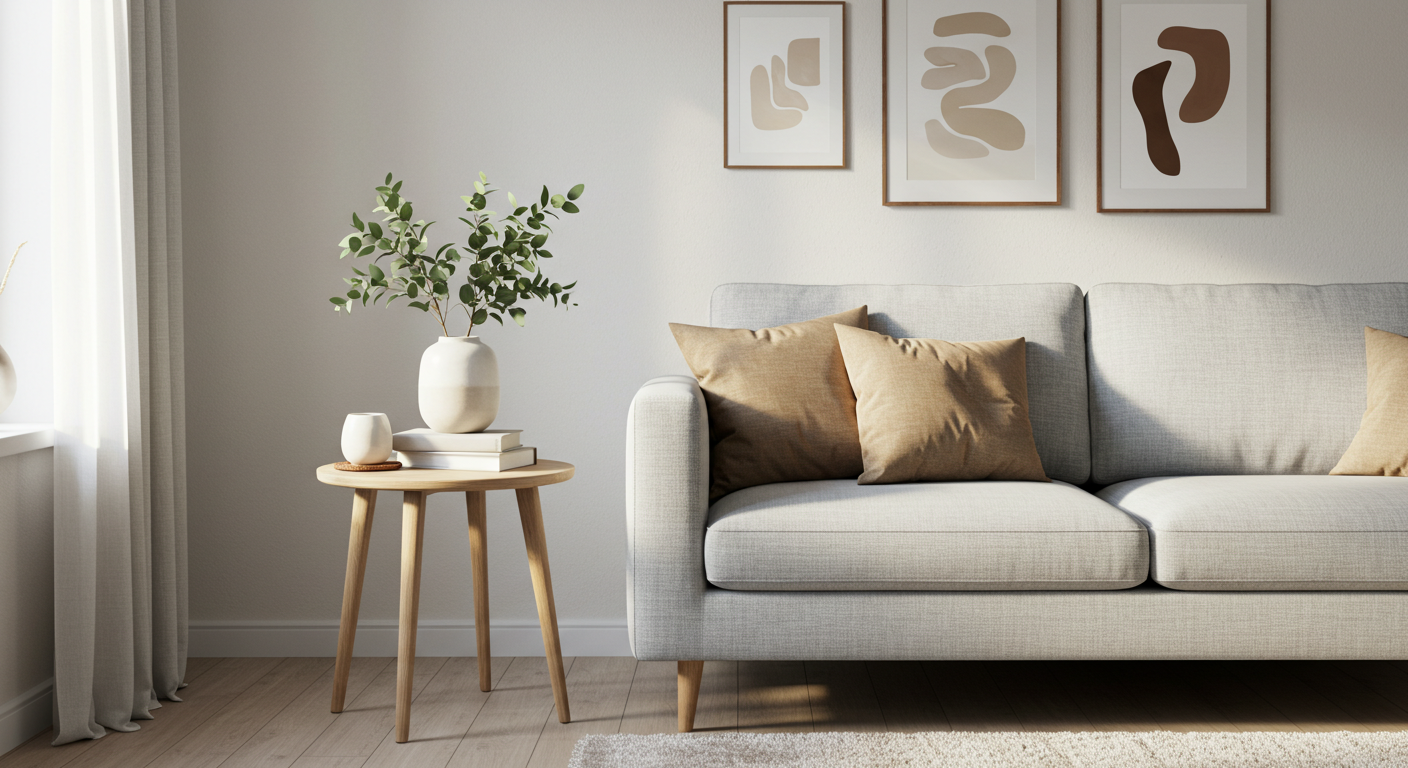
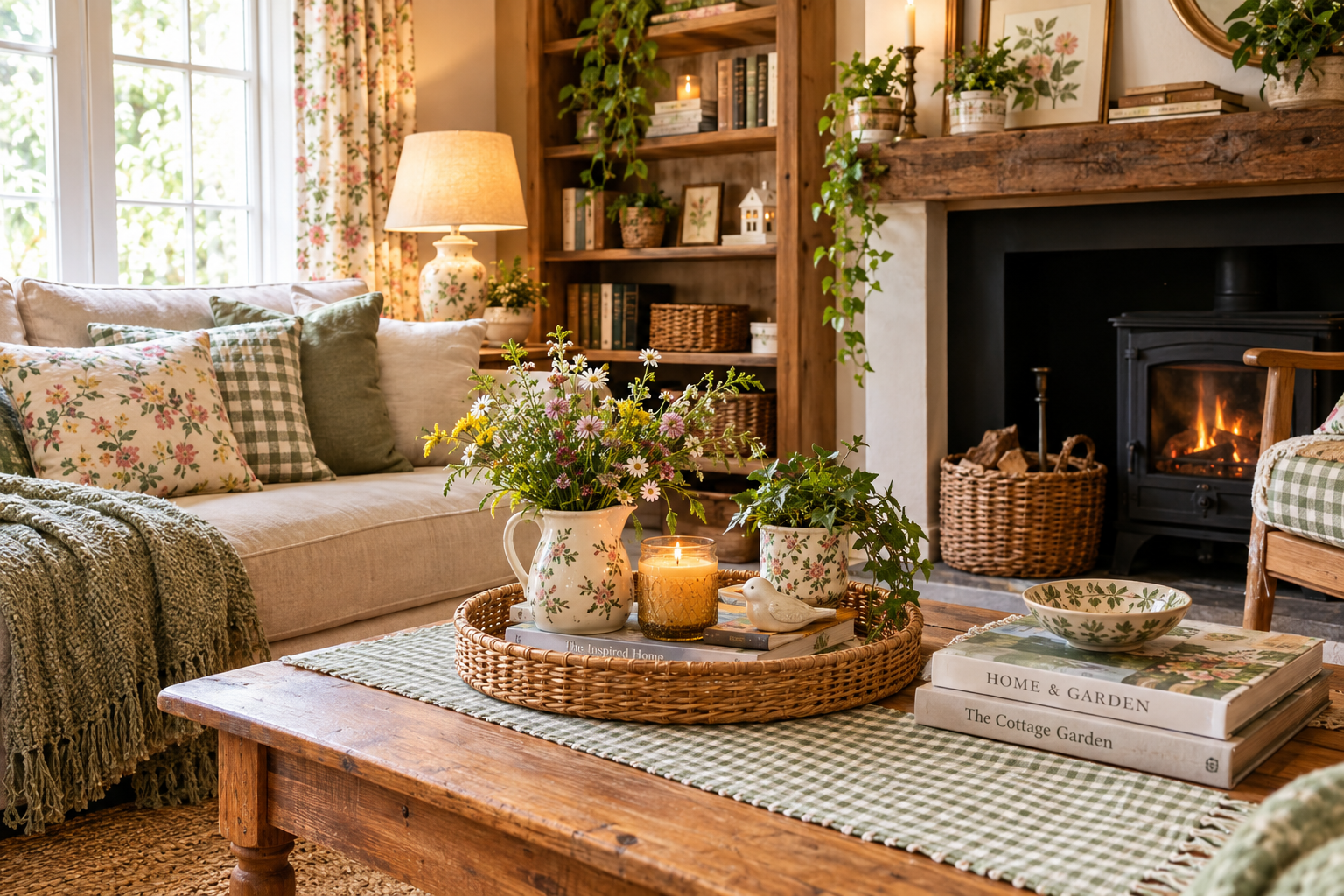
- Strategic Cushion Placement: Refreshing throw pillows can instantly update a sofa or armchair. Look for covers in new textures or colors that complement your existing decor.
- Affordable Art: Instead of expensive paintings, consider printing high-resolution digital art, framing postcards, or creating your own abstract pieces. Gallery walls with mixed frames can look sophisticated.
- Lighting Solutions: Ambient lighting can dramatically alter a room’s mood. Add a floor lamp from a secondhand store, or swap out old lampshades for new ones. Fairy lights or LED strips can also create a cozy atmosphere.
- Rearrange Furniture: Sometimes, simply moving existing furniture to a new configuration can make the room feel fresh and new. This is one of the best cheap home decor finds because it costs nothing.
Bedroom: Designing a Serene Sanctuary on a Budget
- Bedding Choices: A new duvet cover or a set of crisp sheets can revitalize a bedroom. Focus on neutral colors or subtle patterns for a timeless look.
- DIY Headboards: Create a custom headboard using reclaimed wood, a painted canvas, or even a large piece of fabric stretched over a frame.
- Smart Storage: Utilize under-bed storage bins, decorative baskets, or floating shelves to keep clutter at bay. A tidy room always feels more serene. Environmental psychology studies indicate that organized, clutter-free bedroom environments directly correlate with reduced cortisol levels and improved sleep hygiene.
- Greenery: Houseplants add life and color. Opt for low-maintenance varieties like snake plants or Pothos, which are often inexpensive.
Kitchen & Dining: Functional Beauty Without the High Cost
- Open Shelving: Remove cabinet doors and paint the interior for an open, airy feel. Display attractive dishes, glassware, or cookbooks.
- Affordable Tableware: Mix and match plates and bowls from thrift stores or discount retailers for an eclectic, curated look.
- Creative Organization: Use clear jars for pantry staples, magnetic spice racks, or pegboards for hanging utensils. These solutions are both practical and visually appealing, contributing to inexpensive home styling.
- Textile Accents: A new table runner, placemats, or kitchen towels can add a pop of color and texture.
One of the most overlooked economy home decor strategies involves replacing minor fixtures that draw immediate visual attention:
- Cabinet Handles & Drawer Knobs: Swapping builder-grade plastic or dull metal handles on kitchen cabinets or vanity dressers for modern matte black, brushed brass, or vintage ceramic hardware creates an elevated look for under $2–$4 per piece.
- Light Switch & Outlet Plates: Replacing discolored plastic switch covers with clean, architectural faceplates instantly updates a room’s polish.
- Faucet Fixtures & Aerators: Modernizing outdated bathroom or kitchen faucets with sleek, low-cost replacements adds structural sophistication without demanding a full plumber’s budget.
DIY and Upcycling: Personalizing Your Space with Creativity
Embracing DIY projects and upcycling existing items are powerful ways to save money while infusing your home with unique character. These methods allow for complete customization and a sense of accomplishment.
Simple DIY Home Decor Projects with Big Impact
Many projects fall under DIY home decor on a budget and require minimal skill but yield impressive results:
- Painting Furniture: An old dresser, side table, or chair can be completely transformed with a fresh coat of paint. Experiment with bold colors or distressed finishes.
- Creating Wall Art: Use stencils, abstract painting techniques, or even pressed flowers to create personalized artwork. Large canvases can be surprisingly affordable.
- Custom Curtains: Fabric remnants or inexpensive sheets can be hemmed and hung to create custom window treatments that match your decor perfectly.
- Candle Holders: Repurpose glass jars or bottles into elegant candle holders with a bit of paint or twine.
Transforming Old into New: Effective Upcycling Strategies
Upcycling home decor involves giving new life to items that might otherwise be discarded. Look for pieces with good bones or interesting shapes. For example:
- An old wooden ladder can become a decorative blanket rack or a unique bookshelf.
- Vintage suitcases can be stacked to create a quirky side table or storage unit.
- Glass bottles can be cleaned, painted, and used as vases or decorative accents.
- Old picture frames can be repainted and used to frame mirrors, cork boards, or even small shelves.
The key is to see the potential in overlooked items and apply a little imagination.
When transforming older, secondhand items, safety and indoor air quality should always come first:
- Lead Paint Testing: Prior to sanding or scraping furniture manufactured before 1978, use a simple EPA-recognized lead test swab. If lead is detected, avoid dry sanding; instead, use chemical strippers while wearing appropriate PPE or encapsulate the finish.
- Selecting Low-VOC Paints & Sealants: Always choose paints, primers, and clear topcoats labeled as Low-VOC (Volatile Organic Compounds) or Zero-VOC. This prevents off-gassing of toxic chemicals in enclosed living spaces.
- Proper Ventilation & PPE: Complete all sanding, stripping, and spray painting outdoors or in well-ventilated areas. Wear an N95 respirator mask and nitrile gloves to protect against wood dust and chemical fumes.
Where to Discover Thrifty Home Decor and Discount Accessories
Finding beautiful decor at a fraction of the retail price is a skill that can be honed. Knowing where to look is half the battle when seeking thrifty home decor and discount home accessories.
Navigating Secondhand Stores, Flea Markets, and Estate Sales
These venues are treasure troves for unique and affordable items. Success often depends on patience and a keen eye:
- Thrift Stores: Regularly visit local thrift stores. Inventory changes constantly, so frequent visits increase your chances of finding gems like vintage ceramics, unique lamps, or sturdy furniture pieces.
- Flea Markets: These offer a wide array of items, from antique furniture to quirky collectibles. Be prepared to haggle politely for better prices.
- Estate Sales: Often held when someone is downsizing or liquidating an estate, these sales can yield high-quality furniture, art, and decorative items at significantly reduced prices. Arrive early for the best selection.
When shopping for cheap home decor finds, inspect items carefully for damage, and consider how a fresh coat of paint or minor repair could transform them.
Before purchasing secondhand furniture, conduct a quick inspection to ensure you are buying a durable piece worth restoring:
| Inspection Area | High Quality (Buy) | Low Quality (Avoid) |
| 1. Joinery & Construction | Dovetail or mortise-and-tenon drawer joints; solid wood frames. | Stapled, glued particle board; visible cardboard/MDF backings. |
| 2. Stability & Alignment | Level frame; drawers slide smoothly; minimal wobble. | Sagging center beams; warped wood panels; sticky drawer tracks. |
| 3. Finish & Veneer | Real wood grain; light surface scratches easily fixable with polish or stain. | Peeling plastic laminate; deep water damage that swells underlying particle board. |
Online Bargains: Websites and Apps for Budget Finds
The internet provides numerous platforms for discovering affordable decor:
- Online Marketplaces: Websites like Facebook Marketplace, Craigslist, and local buy-and-sell groups are excellent for finding secondhand furniture and decor from individuals in your area. Tip: Search using misspellings or generic terms (e.g., “wood dresser” instead of specific brands), and filter by local moving or estate sales on Sunday evenings when sellers lower prices to clear out items.
- Clearance Sections: Many major retailers have online clearance or outlet sections where you can find significant markdowns on new items.
- Discount Retailers: Sites specializing in home goods often have competitive pricing. Keep an eye out for flash sales and seasonal promotions.
- Auction Sites: Online auction platforms can sometimes offer unique or vintage items at competitive prices, especially if you’re patient and bid strategically.
These resources are invaluable for sourcing discount home accessories and larger furniture pieces.
Making Smart Home Decor Choices: A Strategic Approach
Achieving a cohesive and stylish home on a budget requires a strategic mindset. It’s about making deliberate decisions that maximize visual impact and functionality.
Prioritizing Purchases: Impact Versus Cost
When planning your economy home decor, identify key pieces that will have the most significant visual impact. For example, a large rug can anchor a room, or a statement light fixture can draw the eye. Invest more in these foundational elements if necessary, and then save on smaller, complementary items. This approach ensures your budget is allocated where it matters most, leading to effective inexpensive home styling.
To prevent overspending on secondary items, adopt the 80/20 Allocation Framework:
- 80% of Budget on Anchor Elements: Allocate the majority of your decorating budget to heavy-use, foundational “anchor” pieces—such as a durable couch frame, a supportive mattress, or a sturdy dining table. Quality here guarantees longevity and prevents costly replacements every few years.
- 20% of Budget on Soft Decor & Accessories: Spend the remaining minority on accent rugs, throw pillow covers, artwork, and tabletop vases. Accessories carry high visual weight but can be sourced cheaply from thrift stores, discount bins, or DIY projects.
The Transformative Power of Paint and Textiles
Few elements offer as much transformative power for so little cost as paint and textiles. A fresh coat of paint can completely change the mood and perceived size of a room. Similarly, new curtains, throw pillows, and blankets can introduce color, pattern, and texture, instantly updating a space. These are fundamental budget home decorating tips that yield dramatic results.
Maximizing What You Already Own: Reimagining Your Possessions
Before buying anything new, take stock of what you already possess. Can that old bookshelf be repainted and moved to a different room? Can a collection of items be grouped together to create a new display? Sometimes, simply rearranging furniture, decluttering, or giving existing items a new purpose through upcycling home decor can refresh your space without any additional cost. Look at your belongings with fresh eyes and consider their untapped potential.
Even with the best budget decorating strategies, certain common errors can cause inexpensive interiors to look cluttered or unpolished:
- Buying Too Many Small “Bargain” Items: Accumulating dozens of small, low-cost knick-knacks creates visual clutter rather than intentional design. Focus on fewer, larger accent pieces.
- Ignoring Scale and Proportion: A rug that is too small for a living room layout or wall art that is undersized for a sofa makes the space look mismatched and unintentional. Always measure room dimensions before making thrift or clearance purchases.
- Neglecting Room Measurement Before Thrifting: Secondhand sales are typically final. Purchasing furniture without verifying entry doorway widths or ceiling heights often results in unusable items and wasted funds.
- Rushing the Decoration Process: Attempting to fully furnish a room in a single weekend often leads to impulse buys from mass-market retailers. True economy decor relies on gradual, patient curation.
Frequently Asked Questions About Economy Home Decor
Here are answers to common questions about creating a stylish home on a budget:
Q: Where should I start when trying to implement economy home decor?
A: Begin by decluttering and assessing your current space. Identify what you like, what you need, and what can be repurposed. Then, create a mood board or a simple plan to visualize your desired aesthetic before making any purchases. Focus on one room at a time to avoid feeling overwhelmed.
Q: How can I ensure my affordable home decor ideas don’t look ‘cheap’?
A: The key is thoughtful curation. Focus on quality over quantity, even when buying secondhand. Choose timeless pieces, maintain a cohesive color palette, and pay attention to details like texture and lighting. DIY projects should be executed with care and a clean finish. A well-maintained, uncluttered space always looks more intentional and expensive.
Q: What are the most impactful budget home decorating tips for a small space?
A: For small spaces, prioritize multi-functional furniture, utilize vertical space with shelves, and choose lighter paint colors to make the room feel larger. Mirrors can also create an illusion of more space. Keep decor minimal and purposeful to avoid clutter.
Conclusion: Your Stylish Home Awaits, No Matter Your Budget
Achieving a beautifully decorated home is not about the size of your wallet, but the extent of your creativity and strategic planning. By embracing the principles of economy home decor, you can cultivate a living space that is both aesthetically pleasing and deeply personal. From smart shopping at secondhand markets to engaging in rewarding DIY projects and making thoughtful choices about paint and textiles, there are countless ways to elevate your home’s style without financial strain. Embrace these strategies, and you’ll discover that decorating on a shoestring budget can lead to a home that feels rich in character, comfort, and unique charm.