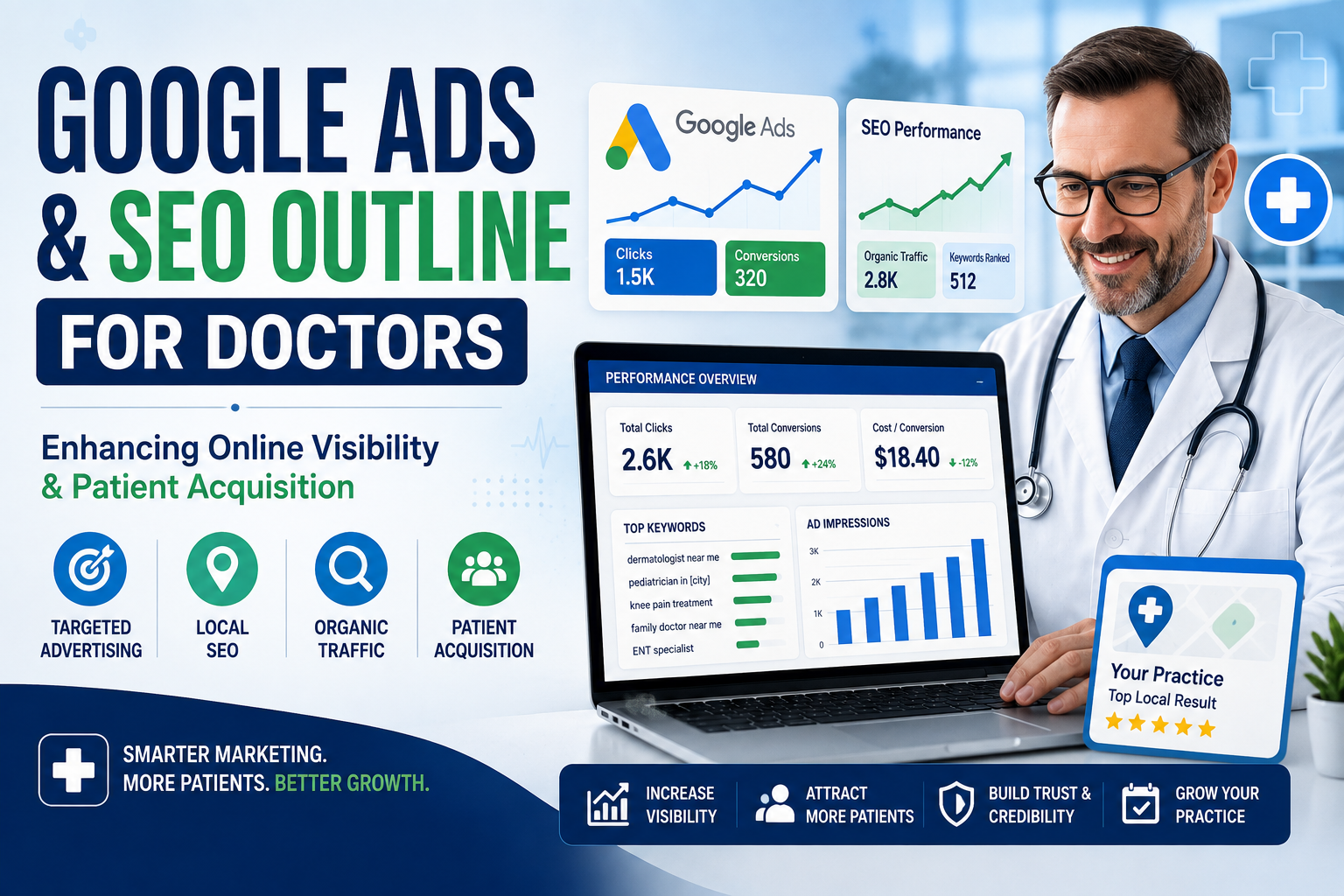






The way patients seek and access healthcare has fundamentally shifted. Individuals now begin their healthcare journey online, researching symptoms, comparing providers, and reading reviews before ever stepping foot into a clinic. For medical practices to remain competitive and connect with their target audience, a robust approach to digital marketing for healthcare is no longer an option but a strategic imperative. This shift demands that healthcare providers not only offer exceptional care but also effectively communicate their value and accessibility through digital channels.
Laying the Groundwork: Core Healthcare Marketing Strategies
Before implementing any specific tactics, a successful digital presence requires foundational planning. Effective healthcare marketing strategies begin with a clear understanding of your practice’s identity and the patients you aim to serve. This strategic groundwork ensures that all subsequent efforts are targeted and efficient, maximizing your return on investment and enhancing your overall visibility.
Defining Your Brand and Patient Persona
Understanding who your ideal patient is—their demographics, health concerns, digital habits, and preferred communication methods—is crucial. Developing detailed patient personas allows you to tailor your messaging and choose the most effective channels for outreach. Simultaneously, clearly defining your practice’s brand—its mission, values, and unique selling propositions—ensures consistency across all communications. This clarity forms the bedrock of all successful healthcare marketing strategies, making your practice relatable and trustworthy.
Building a Professional Online Presence for Doctors
A strong online presence for doctors is built on consistency and professionalism. This extends beyond a website to include consistent branding across social media profiles, online directories, and review platforms. Professional headshots, a clear practice logo, and a unified brand voice contribute significantly to establishing credibility and trust. Ensuring that all digital touchpoints reflect the high standards of care provided in person is vital for attracting and retaining patients.
Optimizing Your Digital Footprint: Key Channels for Patient Acquisition Healthcare
Once the foundational strategy is in place, the next step involves leveraging specific digital channels to enhance visibility and drive patient acquisition healthcare. These channels work synergistically to create a comprehensive digital footprint that reaches potential patients where they are searching for health information and services.
The Foundation: Effective Healthcare Website Design
Your website serves as the digital front door to your practice. An effective healthcare website design must be user-friendly, secure, and informative. Key elements include:
• Mobile Responsiveness: Ensuring the site functions flawlessly on all devices.
• Clear Navigation: Easy access to services, doctor bios, contact information, and patient resources.
• Secure Patient Portals: For appointment scheduling, prescription refills, and secure communication.
• Clear Calls to Action: Prominently displayed buttons for booking appointments or contacting the office.
• HIPAA Compliance: Adhering to all privacy regulations for patient data.
Ensuring Technical HIPAA & Privacy Compliance Across Healthcare Analytics
While user-friendly design is vital, healthcare websites face stringent legal and data privacy standards. Deploying standard digital marketing tools without proper safeguards can lead to severe regulatory penalties under HIPAA:
• Tracking Pixel Audits: Standard client-side tracking tags (such as standard Meta Pixels or unconfigured Google Analytics 4 tags) can accidentally transmit IP addresses, search queries, or appointment booking data. This constitutes an unauthorized disclosure of Protected Health Information (PHI).
• Business Associate Agreements (BAAs): Any third-party vendor handling patient data—including web hosts, call-tracking services, online scheduling widgets, and email marketing platforms—must execute a signed Business Associate Agreement (BAA) with your practice.
• Server-Side Tracking Solutions: Implement server-side tagging containers to strip sensitive user parameters and anonymize IP addresses before conversion data is shared with advertising platforms.
Boosting Visibility: Healthcare SEO Best Practices
Search Engine Optimization (SEO) is fundamental for helping potential patients find your medical services online. Healthcare SEO involves optimizing your website content and technical structure to rank higher in search engine results. Key practices include:
• Local SEO: Optimizing your Google My Business profile and ensuring consistent NAP (Name, Address, Phone) information across online directories.
• Keyword Research: Identifying terms patients use to search for services (e.g., “pediatrician near me,” “dermatologist [city]”).
• Content Creation: Developing informative blog posts, service pages, and FAQs that answer patient questions and incorporate relevant keywords.
• Technical SEO: Ensuring fast loading times, a secure website (HTTPS), and a mobile-friendly design.
Platform Update Notice: Google officially rebranded “Google My Business” to Google Business Profile (GBP). Local SEO strategies must focus on optimizing your verified GBP listing directly within Google Search and Google Maps, prioritizing primary medical categories, post updates, and verified patient reviews.
Establishing Medical E-E-A-T: Schema Markup & Physician Credibility
Because medical information falls under Google’s strict Your Money Your Life (YMYL) categorization, search algorithms hold healthcare websites to higher quality standards. To demonstrate Experience, Expertise, Authoritativeness, and Trustworthiness (E-E-A-T):
1. Structured Healthcare Schema Markup: Embed JSON-LD microdata on your website to provide search engines with direct, unambiguous data regarding your practice and physicians.
{
  "@context": "https://schema.org",
  "@type": "MedicalClinic",
  "name": "Metro Healthcare Center",
  "url": "https://www.examplehealthcare.com",
  "telephone": "+1-555-019-2834",
  "medicalSpecialty": "PrimaryCare",
  "address": {
    "@type": "PostalAddress",
    "streetAddress": "500 Health Center Drive",
    "addressLocality": "Chicago",
    "addressRegion": "IL",
    "postalCode": "60601"
  },
  "medicalStaff": {
    "@type": "Physician",
    "name": "Dr. Robert Chen, MD",
    "jobTitle": "Lead Internist",
    "medicalCard": "Board Certified in Internal Medicine"
  }
}
2. Physician Credentials & Medical Review Stamps: Add explicit doctor bio sections detailing board certifications, residency background, medical licensing, and academic affiliations. Ensure patient education content includes a visible “Medically Reviewed By [Doctor Name, MD]” stamp linked to an active physician profile.
Engaging Your Community: Social Media for Healthcare
Used responsibly, social media for healthcare can be a powerful tool for community engagement and education. Platforms like Facebook, Instagram, and LinkedIn allow practices to share valuable health information, promote wellness tips, announce practice updates, and engage with patients in a less formal setting. It’s crucial to maintain professionalism, adhere to patient privacy regulations (HIPAA), and focus on educational content rather than individual medical advice. Strategic use of social media can build a loyal community and reinforce your practice’s reputation.
Expanding Reach: Telehealth Marketing Strategies
The rise of telehealth has opened new avenues for patient care and requires specific promotional efforts. Effective telehealth marketing highlights the convenience, accessibility, and safety of virtual consultations. This includes:
• Clearly explaining how telehealth appointments work.
• Showcasing the types of conditions suitable for virtual care.
• Integrating telehealth scheduling prominently on your website.
• Using targeted digital ads to reach patients who prioritize convenience.
Cultivating Trust and Growth: Reputation Management for Healthcare
In the digital age, a practice’s online reputation is paramount. Patients frequently consult online reviews before choosing a provider, making proactive reputation management for healthcare essential for sustained growth and patient acquisition healthcare.
Monitoring and Responding: Online Reviews and Patient Feedback
Actively monitoring review sites like Google, Healthgrades, and Yelp is critical. Responding professionally and promptly to all feedback, both positive and negative, demonstrates your commitment to patient care and satisfaction. For negative reviews, a polite, empathetic, and HIPAA-compliant response can often mitigate damage and show that your practice values patient concerns. Encouraging satisfied patients to leave reviews can significantly bolster your online standing.
HIPAA-Compliant Review Response Protocol
When responding to negative online feedback, never confirm or deny that the reviewer was a patient at your clinic. Publicly acknowledging a clinical relationship violates privacy laws. Use a standardized compliant framework:
“Thank you for taking the time to share your feedback. Due to strict federal privacy regulations (HIPAA), we cannot discuss specific patient visits or care details in a public forum. We strive to provide exceptional care to every individual. Please contact our Practice Manager directly at (555) 019-3829 so we can privately discuss and resolve your concerns.”
Leveraging Patient Testimonials and Success Stories
Ethically showcasing positive patient experiences can build immense trust. With proper consent and adherence to privacy regulations, patient testimonials and success stories (e.g., on your website or social media) provide authentic social proof of your practice’s quality of care. These narratives resonate deeply with potential patients, making them feel more comfortable and confident in choosing your services, thereby contributing to patient acquisition healthcare.
Measuring Success: Analytics and Continuous Improvement
Effective digital marketing for healthcare is not a one-time effort; it requires ongoing analysis and adaptation. Utilizing analytics tools (like Google Analytics) to track website traffic, conversion rates, patient engagement, and the performance of specific campaigns is vital. This data provides insights into what strategies are working and where adjustments are needed. Regularly reviewing these metrics allows practices to refine their approach, optimize their spending, and continuously improve their digital marketing efforts for better patient outcomes and practice growth.
Key Healthcare Marketing Metrics Benchmarks
To evaluate performance effectively, track these core digital healthcare metrics against industry standards:
| Channel / Metric | Healthcare Industry Benchmark | Strategic Objective |
| Organic Landing Page CTR | 3.2% – 5.5% | Drive qualified patient search traffic |
| Website-to-Appointment Conversion | 5.0% – 9.0% | Convert visitors into booked visits |
| Google Business Profile Call Actions | Top 3 Map Pack Placement | Maximize local immediate patient calls |
| Cost Per Acquisition (PPC) | $35 – $85 (Specialty Dependent) | Maintain profitable patient ROI |
Frequently Asked Questions About Digital Marketing for Healthcare
Understanding the nuances of digital marketing in the medical field often brings up specific questions. Here are answers to some common inquiries.
How important is SEO for a medical practice?
Healthcare SEO is critically important for a medical practice. Most patients begin their search for a new doctor or medical information online. Without effective SEO, your practice’s website may not appear prominently in search results, making it difficult for potential patients to find you. Strong SEO ensures your practice is visible when patients are actively looking for services, directly impacting patient acquisition and practice growth.
What social media platforms are best for healthcare providers?
The best social media for healthcare platforms depend on your target audience and content goals. Facebook remains popular for broad community engagement and sharing health news. Instagram is excellent for visual content, offering a platform for wellness tips, behind-the-scenes glimpses (while maintaining privacy), and infographics. LinkedIn can be valuable for professional networking and thought leadership. The key is to choose platforms where your target patients are most active and to maintain strict adherence to patient privacy and professional guidelines.
How can I effectively manage my online reputation as a healthcare professional?
Effective reputation management for healthcare involves several key steps:
• Monitor Regularly: Use tools or set up alerts to track mentions of your practice and doctors across review sites and social media.
• Respond Promptly and Professionally: Acknowledge all reviews, positive or negative. For negative feedback, offer to take the conversation offline to resolve issues privately, always adhering to HIPAA.
• Encourage Reviews: Politely ask satisfied patients to share their experiences on preferred review platforms.
• Showcase Positives: Feature positive testimonials on your website and in marketing materials (with patient consent).
• Address Inaccuracies: If false information is posted, follow platform guidelines to dispute or report it.
Can healthcare providers run retargeting ads to website visitors?
No. Mainstream advertising networks (including Google Ads and Meta Ads) explicitly prohibit retargeting users who have visited health-related webpages or specific condition landing pages. Retargeting health conditions violates user privacy policies and can result in immediate advertising account suspensions.
How do I ensure my website forms are fully HIPAA compliant?
All web forms that capture patient names, phone numbers, email addresses, or clinical concerns must use SSL/TLS encryption (HTTPS), store data on encrypted servers, transmit notifications securely, and be hosted by standard vendors willing to sign a formal Business Associate Agreement (BAA).
Conclusion: Charting a Course for Growth with Digital Marketing for Healthcare
The digital landscape offers unprecedented opportunities for healthcare practices to connect with patients, build trust, and foster growth. By strategically implementing digital marketing for healthcare, including robust healthcare marketing strategies, an optimized online presence for doctors, and diligent reputation management for healthcare, practices can significantly enhance their visibility and achieve consistent patient acquisition healthcare. Embracing these digital tools is not just about staying current; it’s about ensuring your practice thrives in an increasingly digital world, ultimately leading to better patient engagement and a healthier community.