




Creating a living space that truly feels like home involves more than just furnishing; it’s about curating an environment that reflects your personality, comfort, and aesthetic preferences. The vast array of available home decor styles can seem overwhelming, but understanding their core characteristics is the first step toward crafting a cohesive and inviting interior. This guide aims to demystify popular aesthetics, helping you identify and understand different design languages to transform your living areas into a personalized sanctuary.
Quick Reference: Core Home Decor Styles at a Glance
| Decor Style | Signature Materials | Primary Color Palette | Ideal Room Lighting | Best For |
| Modern | Chrome, polished concrete, molded plywood, glass | Monochromatic neutrals with primary color pops | Recessed spotlights, directional task lighting | Minimalist layouts, open-concept urban homes |
| Farmhouse | Distressed pine, wrought iron, galvanized metal, linen | Warm white, oatmeal, greige, antique navy | Edison bulbs, warm lantern light (2700K) | Family spaces, high-traffic casual rooms |
| Boho Chic | Rattan, macramé, jute, unglazed terracotta | Terracotta, mustard, forest green, warm cream | Diffused floor fixtures, woven basket pendants | Plant-filled rooms, creative living areas |
| Minimalist | Smooth ash, quartz, hidden storage cabinetry | Pure white, soft charcoal, beige, slate | Hidden cove fixtures, maximized daylight | Clutter-sensitive layouts, compact rooms |
| Industrial | Exposed brick, steel I-beams, ductwork, reclaimed wood | Iron black, weathered rust, raw grey, camel | Pendant tracks, exposed filament bulbs | Lofts, open converted spaces, tall ceilings |
| Coastal | Washed teak, linen slipcovers, seagrass cordage | Sea salt, drift sand, indigo, crisp white | Bright natural light, sheer window diffusions | Sunrooms, beach cottages, airy bedrooms |
| Traditional | Mahogany, tufted velvet, silk, polished brass | Bordeaux, rich emerald, navy, gold leaf | Tiered chandeliers, shaded wall sconces | Formal dining halls, historic period properties |
| Rustic | Rough-sawn cedar, river stone, hand-forged iron | Bark brown, lichen green, stone grey, clay | Firelight, amber uplighting, matte metal sconces | Cabins, mountain properties, hearth-centered rooms |
| Mid-Century Modern | Walnut veneer, fiberglass, brass, leather | Teal, avocado, ochre, warm wood undertones | Sputnik fixtures, articulating floor lamps | Mid-century properties, living spaces with architectural lines |
| Japandi | White oak, bamboo, washi paper, rough stoneware | Sand, stone, mist grey, soft charcoal | Soft ambient paper lanterns, low floor-level glows | Mindful rest zones, spa-inspired bathrooms, quiet bedrooms |
| Transitional | Chenille, brushed nickel, tailored oak, marble | Warm taupe, cream, soft espresso, dove grey | Fabric-drum pendants, dimmable cove lights | Balancing classic architecture with modern comfort |
| Scandinavian | Blonde beech, curly sheepskin, pressed birch, wool | Snow white, powder blue, pale silver, ash | Unobstructed daylight, multiple perimeter floor lamps | Regions with low natural winter light, functional flats |
Understanding Your Personal Aesthetic
Before exploring specific design categories, it’s beneficial to understand your own preferences and lifestyle. Your home should function as a backdrop for your daily life, so considering practical needs alongside visual appeal is crucial. This foundational self-assessment will guide your choices and ensure your decor resonates deeply with you.
How to Find Your Decor Style
Identifying your unique aesthetic is a journey of self-discovery. To effectively determine how to find your decor style, begin by observing what naturally appeals to you. Consider these actionable steps:
Create Mood Boards: Collect images from magazines, Pinterest, or design websites that catch your eye. Look for recurring themes in colors, textures, furniture shapes, and overall ambiance. Don’t limit yourself to interiors; fashion, art, and travel photos can also reveal your preferences.
Analyze Existing Spaces: Think about homes, hotels, or public spaces you’ve admired. What specific elements did you like? Was it the color palette, the furniture arrangement, the materials used, or the overall feeling?
Consider Your Lifestyle: Do you need durable, family-friendly materials, or do you prefer delicate, artistic pieces? Is entertaining a priority, or do you value quiet solitude? Your daily routines and activities should influence your decor choices.
Reflect on Your Wardrobe: Often, personal style in clothing translates to home decor. Do you prefer bold patterns, neutral tones, vintage pieces, or sleek modern lines?
Evaluate Functional Requirements: Beyond aesthetics, consider the practical aspects. How much storage do you need? What kind of lighting is essential for your activities? Personal expression is key, but functionality ensures your space is both beautiful and livable.
Step-by-Step Decor Audit Checklist
Before purchasing furniture or choosing paint samples, run through this practical assessment to eliminate costly design missteps:
Traffic Pattern Map: Measure main pathways through your room. Leave at least 30 to 36 inches of clear walking space between large furniture items.
Daylight and Orientation Check: Record how light hits the room at 9:00 AM, 1:00 PM, and 6:00 PM. North-facing rooms need warm undertones to prevent grey hues from looking flat, while south-facing rooms can support cool, saturated pigments.
Focal Point Decision: Pick a primary architectural feature (such as a hearth, bay window, or media wall) before setting furniture layouts.
Inventory Current Furniture: Categorize present pieces into three groups: Must Keep (sentimental or functional staples), Can Repurpose (suitable for paint, new hardware, or reupholstery), and Discard/Donate.
Scale and Clearance Blueprint: Note ceiling heights and architectural quirks. Large sectional sofas quickly overwhelm rooms with standard 8-foot ceilings, while low-profile seating looks undersized in spaces with two-story ceilings.
Exploring Popular Home Decor Styles
Once you have a clearer sense of your personal inclinations, exploring established popular interior design styles can provide a framework for your vision. Each style offers a distinct set of characteristics, materials, and a unique atmosphere.
Modern Home Decor Style
The modern home decor style, originating from the early to mid-20th century, emphasizes clean lines, functionality, and a lack of excessive ornamentation. It often features a neutral color palette with occasional bold accents. Materials like polished metal, glass, concrete, and unadorned wood are common. Furniture is typically streamlined, geometric, and designed for comfort and utility, reflecting a minimalist tendency without being strictly minimalist.
Farmhouse Decor Ideas
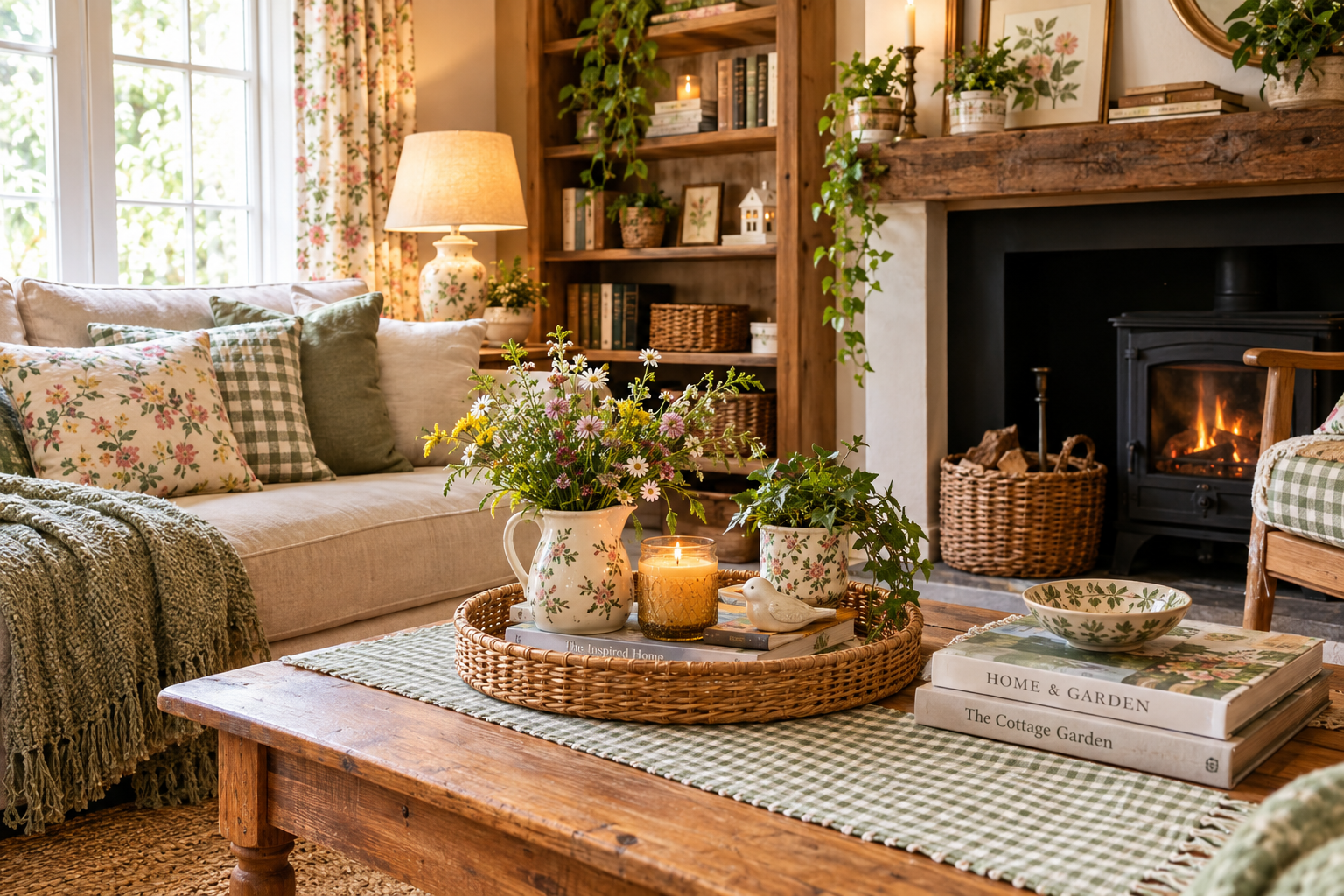
Farmhouse decor ideas evoke a sense of rustic charm, comfort, and hospitality. This style celebrates natural materials, vintage accents, and a relaxed, lived-in feel. Key elements include distressed wood, galvanized metal, wrought iron, and natural fabrics like cotton and linen. Color palettes lean towards whites, creams, grays, and soft blues. Furniture is often sturdy and practical, with a focus on communal living spaces. Think shiplap walls, oversized comfortable sofas, and antique-inspired decor.
Boho Chic Decor
Boho chic decor is characterized by its eclectic, free-spirited nature, drawing inspiration from global cultures and artistic expression. It embraces vibrant patterns, rich textures, and a layered aesthetic. Common features include macramé, woven rugs, rattan furniture, floor cushions, and an abundance of plants. The color palette is often warm and earthy, incorporating jewel tones and natural hues. This style encourages mixing and matching, creating a relaxed, unconventional, and highly personalized space.
Minimalist Interior Design
Minimalist interior design is defined by simplicity, functionality, and a focus on essential elements. It prioritizes decluttering, clean lines, and open spaces to create a serene and uncluttered environment. Color schemes are typically neutral, dominated by whites, grays, and blacks, with very sparse use of accent colors. Furniture is often sleek, understated, and chosen for its practical purpose. The philosophy behind minimalism is ‘less is more,’ promoting a sense of calm and order.
Industrial Style Decor
Industrial style decor draws inspiration from factories, warehouses, and urban lofts, celebrating raw and utilitarian aesthetics. It features exposed structural elements like brick walls, concrete floors, visible pipes, and ductwork. Materials such as metal (steel, iron), reclaimed wood, and concrete are central. The color palette is typically muted, with grays, blacks, whites, and earthy tones. Furniture often has a rugged, functional appearance, sometimes incorporating repurposed items, giving the space an edgy, authentic feel.
Coastal Home Decor
Coastal home decor brings the serene, airy feel of the beach and ocean indoors. It’s characterized by light, bright spaces, natural textures, and a refreshing color palette. Whites, sandy beiges, and various shades of blue (from sky to navy) are prominent. Materials include weathered wood, wicker, rattan, and linen. Nautical accents like seashells, driftwood, and marine-themed art are common, but the style avoids being overly themed, focusing instead on a relaxed, comfortable, and breezy atmosphere.
Traditional Home Decor
Traditional home decor embodies classic elegance, timelessness, and a sense of history. It is characterized by rich woods, ornate details, formal symmetry, and antique-inspired furnishings. Furniture often features intricate carvings, curved lines, and luxurious upholstery in patterns like damask or floral. Color palettes tend to be warm and inviting, with deep reds, greens, golds, and browns. This style emphasizes comfort, order, and a sophisticated, well-appointed aesthetic, often drawing from European design influences.
Rustic Home Decor
Rustic home decor celebrates the raw, natural beauty of the outdoors, bringing earthy elements indoors. It focuses on untreated or minimally processed materials like rough-hewn wood, natural stone, and organic fibers. Furniture is typically sturdy, handcrafted, and substantial. The color palette is inspired by nature, featuring warm browns, greens, and muted earth tones. While sharing some elements with farmhouses, rustic style leans more towards rugged, unrefined textures and a strong connection to nature, often incorporating elements like animal hides or wrought iron.
Mid-Century Modern Decor
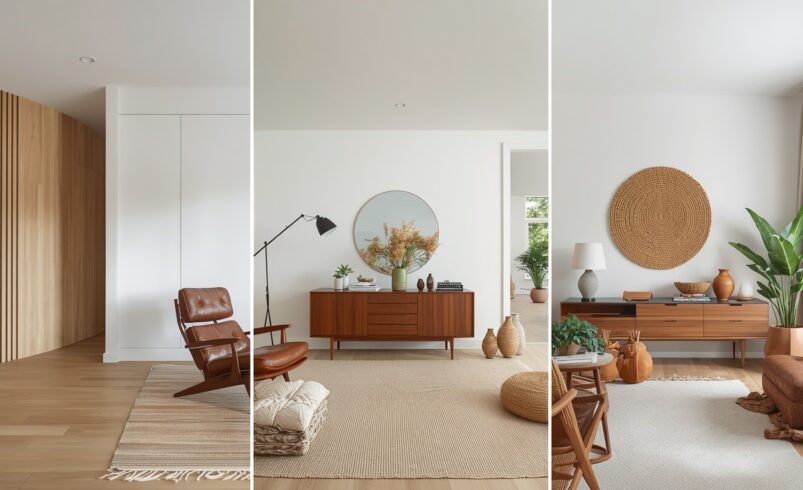
Originating roughly between 1945 and 1969, mid-century modern design bridges organic forms with industrial production. It features clean silhouettes, gently tapered furniture legs, and minimal surface carving. Signature woods include rich teak, walnut, and rosewood, often accented with bent plywood, fiberglass, and brass fittings. Color stories blend earthy neutrals with bold accent shades like ochre, avocado green, and burnt orange. Iconic pieces include pedestal dining tables, low-profile credenzas, and molded shell chairs, making this aesthetic practical for smaller footprints and open floor plans.
Japandi Interior Style
Japandi represents the functional intersection of Japanese wabi-sabi philosophy (appreciating beauty in natural imperfection) and Scandinavian hygge (comfort and warmth). This hybrid aesthetic relies on muted earth tones, pale oak or blackened cedar, paper lanterns, textured linen, and handcrafted ceramics. Spaces prioritize uncluttered surfaces, low-profile platform beds, and acoustic balance. By pairing Scandinavian functionality with Japanese artistic discipline, Japandi provides a warmer, more tactile alternative to strict minimalism.
Transitional Decor Style
Transitional design serves as the harmonious midpoint between traditional elegance and contemporary minimalism. It tempers the ornate heaviness of traditional woodwork while softening the sharp edges of modern silhouettes. Key markers include monochromatic palettes of warm taupes, vanillas, and soft greys paired with clean-lined furniture upholstered in plush chenille or textured linen. Mirrored surfaces, understated crown moldings, and brushed nickel fixtures unify antique profiles with modern simplicity without visual clutter.
Scandinavian Home Decor
Rooted in Nordic living conditions, Scandinavian style focuses on maximizing ambient light, promoting hygge (coziness), and emphasizing utilitarian simplicity. The aesthetic depends heavily on all-white or light grey walls to reflect daylight, balanced by pale woods like birch, beech, and blonde ash. Layered sheepskins, chunky knit throws, simple geometric artwork, and clean uncluttered lines prevent coldness, making it an enduring favorite for small flats and minimalist homes.
Eclectic & Maximalist Decor
Maximalist and eclectic aesthetics operate on the principle of curated abundance. Rather than random accumulation, successful eclectic design uses deliberate contrast: pairing high-gloss contemporary lacquer with antique gilded frames, or mixing bold animal prints with architectural abstracts. The anchor of an eclectic room is always a disciplined palette or repeated geometric motif that allows opposing eras and textures to live together without feeling messy.
Material Selection and Longevity Guide
A successful interior balances visual appeal with real-world wear and tear. Use this material breakdown to pick surfaces that match your household demands:
High-Traffic Flooring: Solid hardwood provides lasting value and can be sanded down across decades, though it remains vulnerable to moisture. Engineered hardwood offers better humidity stability over concrete slabs. For households with pets or young children, luxury vinyl plank (LVP) and glazed porcelain tile resist scratches, dents, and spills better than natural stone or soft woods.
Upholstery Performance: Natural linen and fine cotton offer great breathability and a relaxed look, but they wrinkle easily and absorb liquids quickly. For living room seating used daily, performance fabrics (such as solution-dyed acrylics, Crypton, or commercial polyester-nylon weaves) resist staining and withstand high rub counts. Top-grain leather gains character with age and wipes clean easily, making it a reliable option for busy homes.
Cabinetry and Countertop Surfaces: Solid timber surfaces and butcher blocks bring natural warmth, but they require periodic food-grade oiling and can scorch easily. Engineered quartz provides a non-porous surface that resists coffee, wine, and oil stains without periodic sealing. Unsealed marble and soapstone, while classic in traditional settings, etch when exposed to lemon juice or household acids.
Eco-Friendly Certifications: When sourcing sustainable woods and textiles, verify FSC (Forest Stewardship Council) certification for timber and OEKO-TEX Standard 100 or GOTS (Global Organic Textile Standard) seals for upholstery. These ensure minimal chemical off-gassing and responsible resource management.
Translating Styles Room by Room
Adapting an aesthetic across distinct household areas requires shifting priorities based on how each room functions:
The Living Room (Focal Comfort): Anchor the space with an 8×10 or 9×12 area rug to define seating zones. Keep coffee tables within 14 to 18 inches of seating so drinks and books remain easily reachable.
The Primary Bedroom (Rest and Acoustics): Emphasize acoustic dampening to promote restful sleep. Regardless of style (modern, boho, or traditional), use floor-length drapery, fabric headboards, and plush under-bed runners to absorb ambient sound.
Kitchen & Dining Spaces (Surface Durability): Prioritize wipeable surfaces and stain-resistant seating. For modern or minimalist spaces, integrated cabinetry keeps appliances out of view; for farmhouse and rustic layouts, open shelving showcases artisanal dinnerware.
Blending and Personalizing Your Home Decor Styles
Few homes adhere strictly to a single design category. Most individuals find themselves drawn to elements from various home decor styles, leading to unique and personalized spaces. The art of blending styles lies in creating cohesion rather than chaos. To successfully mix aesthetics, consider:
A Unifying Color Palette: Choose a consistent color scheme that ties different elements together. Even if furniture pieces vary in style, a shared color story can create harmony.
Common Textures or Materials: Incorporate a recurring material, such as natural wood, metal, or a specific fabric, throughout the space to provide continuity.
Balance: Ensure a visual balance between different styles. If you have a bold industrial piece, balance it with softer, more traditional elements.
Scale and Proportion: Pay attention to how different pieces relate in size and scale. A large, rustic dining table might pair well with minimalist chairs if their proportions are complementary.
Personal Narrative: Let your personal story guide your choices. Pieces collected from travels, family heirlooms, or items with sentimental value can bridge different styles and make your home uniquely yours.
The 80/20 Rule for Mixing Decor Styles
A reliable designer method for combining distinct aesthetics without visual clutter is the 80/20 formula:
The 80% Foundation: Dedicate roughly 80% of your room to one primary base style. This includes wall colors, major flooring surfaces, architectural details, and primary furniture anchors (such as the sofa, bed frame, or dining table).
The 20% Accent Voice: Devote the remaining 20% to an accent aesthetic through lighting fixtures, accent armchairs, artwork, throw pillows, rugs, and decorative objects.
Practical Example: In a home with an 80% clean, contemporary foundation (white walls, pale wood floors, structured track fixtures), introduce a 20% rustic accent via a rough-hewn beam fireplace mantel, an antique Turkish runner rug, and a hand-hammered iron coffee table. This deliberate ratio keeps the space unified rather than disconnected.
The 60-30-10 Color Distribution Rule
To maintain visual balance across furniture, walls, and textiles, professional designers divide room color schemes into three clear layers:
60% Dominant Base: Covers major wall surfaces, large area rugs, and dominant architectural elements.
30% Secondary Shade: Applied to large upholstery pieces, accent chairs, custom drapery, and accent walls to provide depth.
10% Accent Pop: Expressed through throw cushions, decorative artwork, ceramics, lamp bases, and hardware finishes.
Lighting Layering for Interior Aesthetics
Lighting shapes how colors, textures, and furniture arrangements look in an interior. Relying solely on a single overhead ceiling fixture creates unflattering shadows and flattens your design. High-end spaces rely on three distinct lighting layers:
Ambient Lighting (Base Illumination): The primary light source that makes a space safe and usable. This includes recessed ceiling cans, flush mounts, and diffused cove lights. Choose 2700K warm-white bulbs for bedrooms and living rooms to build a cozy feel, and 3000K–3500K neutral bulbs for kitchens, home offices, and utility spaces.
Task Lighting (Targeted Utility): Focused light directed where specific work happens. Examples include swing-arm reading lamps beside living room chairs, under-cabinet LED bars over kitchen preparation counters, and directional desk lamps in home studies.
Accent Lighting (Visual Interest and Dimension): Fixtures designed to highlight architectural and decorative elements. Use picture lights above framed wall art, low-profile uplights tucked behind large indoor plants, and LED strip lighting tucked beneath floating shelves or bathroom vanities.
Interior Decorating on a Budget
Elevating your home’s look does not require a complete renovation. High-impact styling changes can transform a room while keeping costs manageable:
Update Architectural Hardware: Swap generic builder-grade cabinet pulls, interior door handles, and switch plates for brushed brass, unlacquered bronze, or matte black alternatives.
Raise Your Curtain Rods: Mount drapery brackets 4 to 6 inches above window frames—or just below the ceiling crown molding—and extend the rod 8 to 10 inches past the window frame on each side. This simple adjustment creates the visual impression of higher ceilings and larger windows.
Use Properly Sized Rugs: An undersized rug makes a room look small and disjointed. Ensure at least the front legs of all key seating pieces rest comfortably on the rug. In dining spaces, choose a rug that extends at least 24 inches beyond the table edge so chairs glide back without catching.
Refresh with Secondhand Finds: Browse estate sales, vintage markets, and local online marketplaces for solid wood dressers, antique mirrors, and accent tables. Older, well-built furnishings bring authentic character that mass-market flat-pack items struggle to replicate.
Frequently Asked Questions About Home Decor Styles
Navigating the world of interior design often brings up common queries. Here are answers to some frequently asked questions about home decor styles:
What are the most popular interior design styles currently?
While trends evolve, some of the most enduring and popular interior design styles include Modern, Farmhouse, Boho Chic, and Minimalist. Industrial and Coastal also maintain strong appeal, reflecting diverse preferences for urban edge or serene tranquility.
Can I mix different home decor styles?
Absolutely. Mixing styles is a common and effective way to create a unique, personalized space. The key is to find common threads, such as a consistent color palette, shared textures, or a balanced approach to scale, to ensure the blended styles feel cohesive rather than disjointed.
How do I ensure my chosen style works with my home’s architecture?
Consider your home’s inherent architectural features. A modern style might complement a contemporary build, while a traditional home might naturally lend itself to classic decor. However, contrasting styles can also create interesting dynamics; for example, industrial elements can add character to a more traditional space, provided there’s thoughtful integration.
What’s the difference between farmhouse and rustic home decor?
While both embrace natural elements, farmhouse decor often has a more refined, curated feel with a focus on comfort and vintage charm, often incorporating lighter colors and shiplap. Rustic home decor tends to be more rugged, emphasizing raw, unpolished materials like rough-hewn wood and natural stone, with a stronger connection to wilderness and a darker, earthier palette.
What is the primary difference between contemporary and modern decor?
While often used interchangeably, “modern” decor refers to a specific, historical design era originating in the early-to-mid 20th century (emphasizing clean forms, unadorned materials, and mid-century aesthetics). “Contemporary” decor is not tied to a single historical era; it represents the dynamic styles and design practices gaining traction in the present day.
How can I choose an interior color palette that flows naturally from room to room?
Use a cohesive whole-house palette of 3 to 5 colors: one neutral base for main walls, one trim color (such as soft white), and two to three complementary accent hues. Alter the balance in each space by using your main living room wall color as an accent pillow or textile hue in an adjacent dining room or hallway. This creates visual continuity without making every room look identical.
Which home decor styles work best for small apartments?
Minimalist, Scandinavian, Japandi, and Mid-Century Modern excel in compact spaces. These styles emphasize raised furniture legs that show more floor surface, clean horizontal sightlines, multipurpose hidden storage, and reflective pale tones that help rooms feel larger and brighter.
How do I avoid making an eclectic room look cluttered?
Rely on the “two-element rule”: each contrasting piece must share at least two core traits with the surrounding room—such as identical scale, matching finish undertone, or a common base palette—to feel intentional rather than accidental.
Crafting Your Ideal Living Space
Understanding the nuances of various home decor styles empowers you to make informed decisions about your living environment. Whether you gravitate towards the sleek simplicity of modern design, the cozy warmth of a farmhouse, or the eclectic vibrancy of boho chic, the most effective style is ultimately one that genuinely reflects your personal taste and lifestyle. Experiment with elements that resonate with you, blend aesthetics thoughtfully, and create a home that not only looks appealing but also feels authentically yours.