





The old fashioned donut holds a special place in the world of fried dough. It’s a treat that evokes nostalgia, comfort, and a satisfyingly unique texture. Unlike its often lighter, chewier counterparts, the old fashioned donut stands out with its distinctive appearance and rich, dense crumb. This article explores what makes this classic pastry so beloved, from its defining characteristics and historical roots to how it compares to other donuts, how to prepare it at home, and where to find the finest examples.
Defining the Old Fashioned Donut: What Makes It Unique?
To truly appreciate this classic, it’s essential to understand what is an old fashioned donut. Its uniqueness stems from a combination of its preparation method, ingredients, and the resulting texture.
The Signature Shape and Craggy Texture
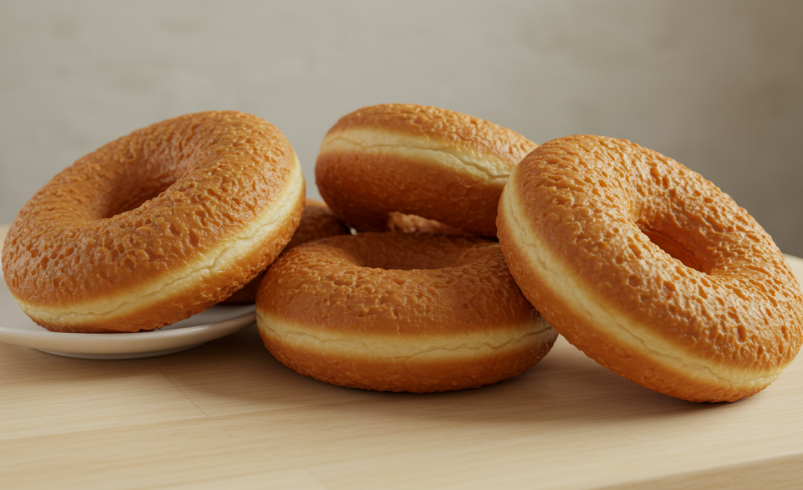
One of the most recognizable features of an old fashioned donut is its irregular, often crinkled surface. This distinctive appearance isn’t accidental; it’s a direct result of the dough’s consistency and the frying process. As the dense, cake-like dough fries, its exterior expands and cracks, creating a beautiful, craggy texture that is perfect for holding glaze. The interior remains moist and tender, offering a delightful contrast to the crisp exterior.
Key Ingredients and Flavor Profile: The Role of Sour Cream
The foundation of an old fashioned donut is a rich, cake-like dough. Key ingredients typically include flour, sugar, eggs, and a leavening agent like baking powder or baking soda. However, what truly sets many old fashioned donuts apart is the inclusion of buttermilk or, more commonly, sour cream. The addition of sour cream contributes significantly to the donut’s tender crumb and provides a subtle tang that balances the sweetness. This is why the sour cream old fashioned donut is often considered the quintessential version, offering a depth of flavor and moisture that is hard to replicate with other fats.
Old Fashioned Donut vs. Regular Donut: Understanding the Core Differences
While all donuts offer a delightful experience, the distinction between an old fashioned donut vs regular donut is significant, primarily revolving around their dough type and resulting texture.
Cake Dough vs. Yeast Dough: A Fundamental Distinction
The primary difference lies in the leavening agent. Most “regular” donuts, particularly those found at large chains, are yeast-raised. Yeast donuts are made from a dough similar to bread, which ferments and rises, resulting in a light, airy, and chewy texture. In contrast, the old fashioned donut is a cake donut. It uses chemical leaveners (baking powder or baking soda) to achieve its rise, leading to a denser, more crumbly, and cake-like interior. This fundamental difference in dough composition dictates everything from texture to how they absorb glazes.
Texture, Density, and Absorption: A Matter of Preference
When comparing the texture, the old fashioned donut offers a satisfyingly dense and slightly crumbly bite, often with a crisp exterior. Yeast donuts, by comparison, are typically softer, chewier, and lighter. This difference also affects how they interact with glazes. The craggy surface of an old fashioned donut provides numerous nooks and crannies for glaze to cling to, often resulting in a thicker, more substantial coating. A well-made glazed old fashioned donut will have a generous, crackly sugar shell that complements its rich interior. Yeast donuts, with their smoother surface, tend to absorb glaze more evenly, resulting in a thinner, often shinier coating.
A Taste of History: The Origins of the Old Fashioned Donut
The journey of the old fashioned donut is intertwined with the broader history of fried dough, reflecting culinary evolution and cultural preferences.
From Early Fritters to the Modern Classic
The concept of fried dough has ancient roots, with various cultures developing their own versions of fritters and sweet fried breads. The direct ancestors of the modern donut are often traced back to Dutch olykoeks (oily cakes) brought to America by settlers. These early versions were dense, fried balls of dough. Over time, innovations like the hole in the center (attributed to various individuals, including Hanson Gregory in the mid-19th century) and the refinement of recipes led to the development of distinct donut types. The old fashioned donut, with its cake-like consistency and reliance on chemical leaveners, represents a continuation of these earlier, denser fried dough traditions, evolving into the beloved form we recognize today. Its enduring popularity speaks to a preference for rich, substantial treats.
Enduring Popularity and Cultural Significance
The history of old fashioned donuts is a testament to their timeless appeal. They have remained a staple in bakeries and homes for generations, often symbolizing comfort, tradition, and simple pleasures. Their robust texture and ability to hold a substantial glaze make them a satisfying choice for breakfast or a snack. This enduring presence in culinary culture highlights their status as more than just a pastry; they are a cherished part of many people’s food memories.
Crafting Your Own: How to Make Old Fashioned Donuts at Home
For those eager to experience the satisfaction of a freshly made classic, learning how to make old fashioned donuts at home is a rewarding endeavor. The process, while requiring attention to detail, is accessible to home bakers.
Essential Ingredients for an Authentic Old Fashioned Donut Recipe
A successful old fashioned donut recipe starts with quality ingredients. You’ll need all-purpose flour, granulated sugar, baking powder, baking soda, salt, eggs, and vanilla extract. Crucially, for that signature tender crumb and subtle tang, you’ll need either buttermilk or, ideally, sour cream. The sour cream not only adds moisture and flavor but also reacts with the leavening agents to create the donut’s characteristic texture. Unsalted butter, melted and cooled, also contributes to the richness.
Step-by-Step Preparation and Frying Techniques
The process begins by whisking together the dry ingredients. In a separate bowl, combine the wet ingredients: eggs, sugar, melted butter, vanilla, and the sour cream. Gradually add the dry mixture to the wet, mixing until just combined. Overmixing can lead to tough donuts. The dough will be thick and slightly sticky. Chill the dough for at least 30 minutes to make it easier to handle. Roll out the chilled dough to about 1/2 inch thickness and cut out donut shapes using a donut cutter. The key to perfect frying is maintaining a consistent oil temperature, typically around 350-375°F (175-190°C). Fry the donuts in batches, turning once, until golden brown on both sides. Proper oil temperature ensures they cook through without becoming greasy or burning.
Perfecting the Glaze: From Classic to Creative
The classic accompaniment to an old fashioned donut is a simple vanilla glaze. This is typically made from powdered sugar, milk or cream, and vanilla extract. While the donuts are still warm, dip them into the glaze. The warmth helps the glaze adhere and set beautifully into all the craggy crevices, creating that iconic crackly shell of a glazed old fashioned donut. For variations, you can add citrus zest, a touch of cinnamon, or even a hint of maple syrup to your glaze, but the traditional vanilla remains a favorite for its ability to highlight the donut’s inherent flavor.
Where to Find the Best Old Fashioned Donut Experiences
While making them at home is satisfying, sometimes the craving calls for an expertly crafted treat. Finding the best old fashioned donut shops can be a delightful quest.
Characteristics of a Top-Tier Old Fashioned Donut Shop
A truly exceptional old fashioned donut shop prioritizes freshness and quality. Look for establishments that make their donuts daily, often frying them throughout the morning. The best donuts will have a perfectly crisp exterior, a moist and tender interior, and a glaze that is neither too thin nor too thick, adhering perfectly to the donut’s unique surface. Ingredient quality, especially the use of real sour cream or buttermilk, is also a strong indicator of a superior product. Shops that adhere to traditional methods often produce the most authentic and satisfying results.
Exploring Regional Favorites and Hidden Gems
Many local bakeries and independent donut shops are often the best places to discover outstanding old fashioned donuts. These smaller establishments frequently pride themselves on traditional recipes and artisanal techniques that larger chains might overlook. Seek out places with a long-standing reputation or those recommended by locals. Often, the unassuming storefronts in older neighborhoods harbor some of the most delicious and authentic old fashioned donuts, offering a taste of culinary heritage.
Frequently Asked Questions About Old Fashioned Donuts
What makes an old fashioned donut ‘old fashioned’?
An old fashioned donut is characterized by its dense, cake-like dough, which uses chemical leaveners (like baking powder) instead of yeast. This results in a distinctively craggy, irregular surface and a rich, tender interior. The term ‘old fashioned’ refers to this traditional cake-donut style, which predates the widespread popularity of lighter, yeast-raised donuts.
Is a sour cream donut the same as an old fashioned donut?
Yes, a sour cream old fashioned donut is essentially a specific and very popular type of old fashioned donut. The inclusion of sour cream is a common and defining characteristic of many old fashioned donut recipes, contributing to their signature moistness, tender crumb, and subtle tangy flavor. While not all old fashioned donuts explicitly use sour cream (some use buttermilk), it is a hallmark ingredient for the classic version.
Can you bake old fashioned donuts instead of frying them?
While you can bake cake donuts, the result will not be the same as a traditional fried old fashioned donut. Baking will produce a softer, more uniformly textured cake, lacking the characteristic crisp, craggy exterior and the unique flavor imparted by frying in hot oil. For an authentic old fashioned donut experience, frying is essential for achieving the desired texture and appearance when you make old fashioned donuts at home.
What’s the best way to store old fashioned donuts to keep them fresh?
Old fashioned donuts are best enjoyed fresh, ideally within a few hours of frying. If you need to store them, place them in an airtight container at room temperature for up to 1-2 days. The glaze may soften slightly, and the exterior crispness will diminish over time. Refrigeration is generally not recommended as it can dry out the donut. For longer storage, plain (unglazed) donuts can be frozen for up to a month and reheated.
The Timeless Allure of the Old Fashioned Donut
The old fashioned donut remains a testament to the enduring appeal of classic baking. Its unique texture, rich flavor, and satisfying density set it apart from other fried treats. From its historical roots as a substantial cake donut to its continued presence in bakeries and home kitchens, this beloved pastry offers a comforting and delicious experience. Whether you’re savoring a perfectly glazed old fashioned donut from a local shop or mastering an old fashioned donut recipe in your own kitchen, its timeless charm continues to delight palates across generations.