


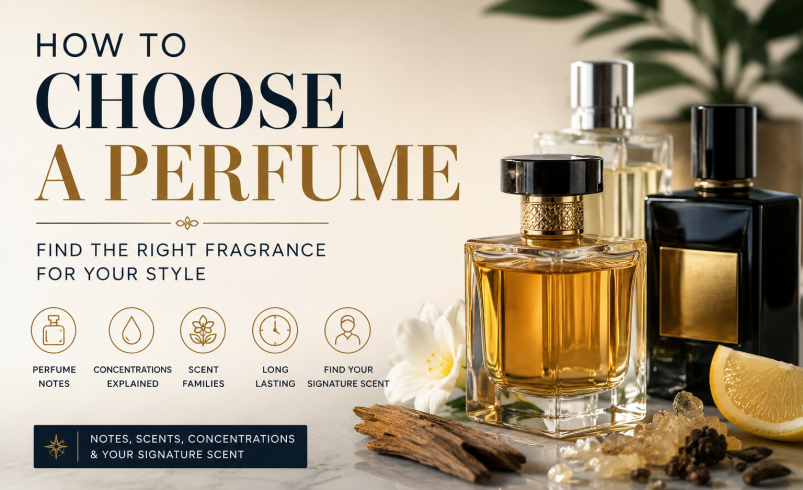

Learning how to choose a perfume is easier when you know what to look for. A fragrance can complement your personality, wardrobe, lifestyle, and the occasion, but choosing one can feel overwhelming when you are faced with countless scents and concentrations. This guide explains perfume notes, scent families, concentrations, testing techniques, longevity, and practical buying tips so you can find a fragrance that feels right for you.
Understand Perfume Notes Before You Choose a Fragrance
Perfume notes are the individual scent components that develop at different stages after a fragrance is applied. Understanding these layers helps you predict how a perfume may evolve on your skin rather than judging it only by its first spray.
Top, Middle, and Base Notes Explained
Top Notes: These are the first scents you notice after application. They are generally light and volatile and create the initial impression. Common examples include lemon, bergamot, light fruits, and fresh herbs.
Middle (Heart) Notes: As the opening fades, the heart notes become more noticeable. They give the fragrance much of its character and can include floral, spicy, and green notes such as rose, jasmine, cinnamon, nutmeg, and herbs.
Base Notes: Base notes form the foundation of a fragrance and tend to remain after the lighter notes fade. Woods such as sandalwood and cedarwood, along with amber, vanilla, musk, frankincense, and patchouli, can add depth and help create a longer-lasting scent experience.
Understand Perfume Concentrations: Parfum, EDP, EDT, and More
Fragrance concentration affects intensity and typical longevity. If long-lasting perfumes are a priority, understanding the differences between concentrations can help you narrow your choices.
Parfum (Pure Perfume): The highest concentration listed in this guide, typically around 20–40% perfume extract. It generally offers strong longevity and is often applied sparingly.
Eau de Parfum (EDP): Typically around 15–20% perfume extract. EDP is a popular option when you want a noticeable fragrance with good longevity.
Eau de Toilette (EDT): Typically around 5–15% perfume extract. EDT is generally lighter and can work well for everyday wear.
Eau de Cologne (EDC): Typically around 2–4% perfume extract. EDC is lighter and refreshing, with shorter typical longevity.
Eau Fraîche: A very light fragrance style with a lower perfume-oil concentration and a subtle scent profile.
Learn the Different Types of Perfume Scents
One of the easiest ways to decide what perfume suits you is to identify the scent families and profiles you naturally enjoy.
Floral: Often built around flowers such as rose, jasmine, lily of the valley, and tuberose. Floral fragrances can range from soft and delicate to rich and expressive.
Amber: Warm and often rich, with ingredients such as vanilla, musk, resins, spices, and exotic florals.
Woody: Earthy and warm, commonly featuring sandalwood, cedarwood, vetiver, and patchouli. Woody fragrances can be dry, smooth, warm, or smoky.
Fresh: Includes citrus, green, and aquatic or ozonic profiles. These scents are often perceived as clean, crisp, and refreshing.
Gourmand: Uses sweet, edible-style notes such as vanilla, caramel, chocolate, coffee, and honey.
Chypre: A classic style built around a contrast between fresh citrus and a mossy, woody base.
Fougère: Often associated with traditionally masculine fragrance styles and commonly featuring lavender, coumarin or tonka, and oakmoss.
How to Find Your Signature Scent
A signature scent should feel natural to wear and fit the way you live. Instead of choosing a perfume only because it is popular, consider how it fits your personality, lifestyle, wardrobe, and daily routine.
- Consider your lifestyle: A professional, active, creative, or relaxed routine may influence the type of fragrance that feels comfortable.
- Think about your personality: Decide whether you prefer bold and dramatic scents or something subtle and understated.
- Match your wardrobe: A classic, modern, or casual style can help guide the fragrance profiles you explore.
- Notice your emotional response: A fragrance that makes you feel confident, relaxed, or energized may be more meaningful than one chosen purely from a trend.
- Give yourself time: Your preferences can change, so finding a signature scent does not have to happen in one shopping trip.
How to Test Perfume Before Buying
Knowing how to test perfume properly can prevent rushed purchases and help you understand how a fragrance develops over time.
- Test a few at a time: Limit your first round to around three or four fragrances so your sense of smell does not become overwhelmed.
- Start with blotter strips: Use paper strips to compare fragrances before deciding which ones deserve a skin test.
- Test your favorites on skin: Apply a small amount to a pulse point such as the wrist or inner elbow. Skin chemistry can change how a fragrance smells.
- Do not rub the fragrance: Let it dry naturally rather than rubbing your wrists together.
- Wait before deciding: Give the perfume time to develop through its different stages before making a final judgment.
- Record your impressions: Use your phone or a small notebook to record what you like or dislike at different stages.
Choose Perfume for Different Occasions
The best fragrance depends partly on where and when you plan to wear it. Matching fragrance intensity and character to the setting can make your overall presentation feel more balanced.
Daytime and work: Lighter citrus, green, aquatic, or subtle floral profiles can work well for offices, casual outings, and daytime activities.
Evening and special events: Richer woody, amber, gourmand, or intense floral fragrances can create a deeper and more noticeable impression.
Warm weather: Fresh citrus, marine, green, tropical, and light fruity scents can feel refreshing in higher temperatures.
Cool weather: Woody, amber, gourmand, musky, and richer fragrance profiles can provide warmth and depth in colder conditions.
How to Choose a Long-Lasting Perfume
If longevity is important to you, concentration is only one part of the equation. Application, skin hydration, and storage can also affect the fragrance experience.
- Apply to pulse points such as the wrists, neck, behind the ears, and inner elbows.
- Moisturize first with an unscented lotion so fragrance has a hydrated surface to cling to.
- Consider layering compatible products from the same fragrance line when available.
- If applying fragrance to hair, use a light mist and avoid excessive application because alcohol can be drying.
- Store perfume in a cool, dark place away from direct sunlight, extreme temperatures, and high humidity.
Oud and Woody Fragrances: A Natural Choice for a Richer Profile
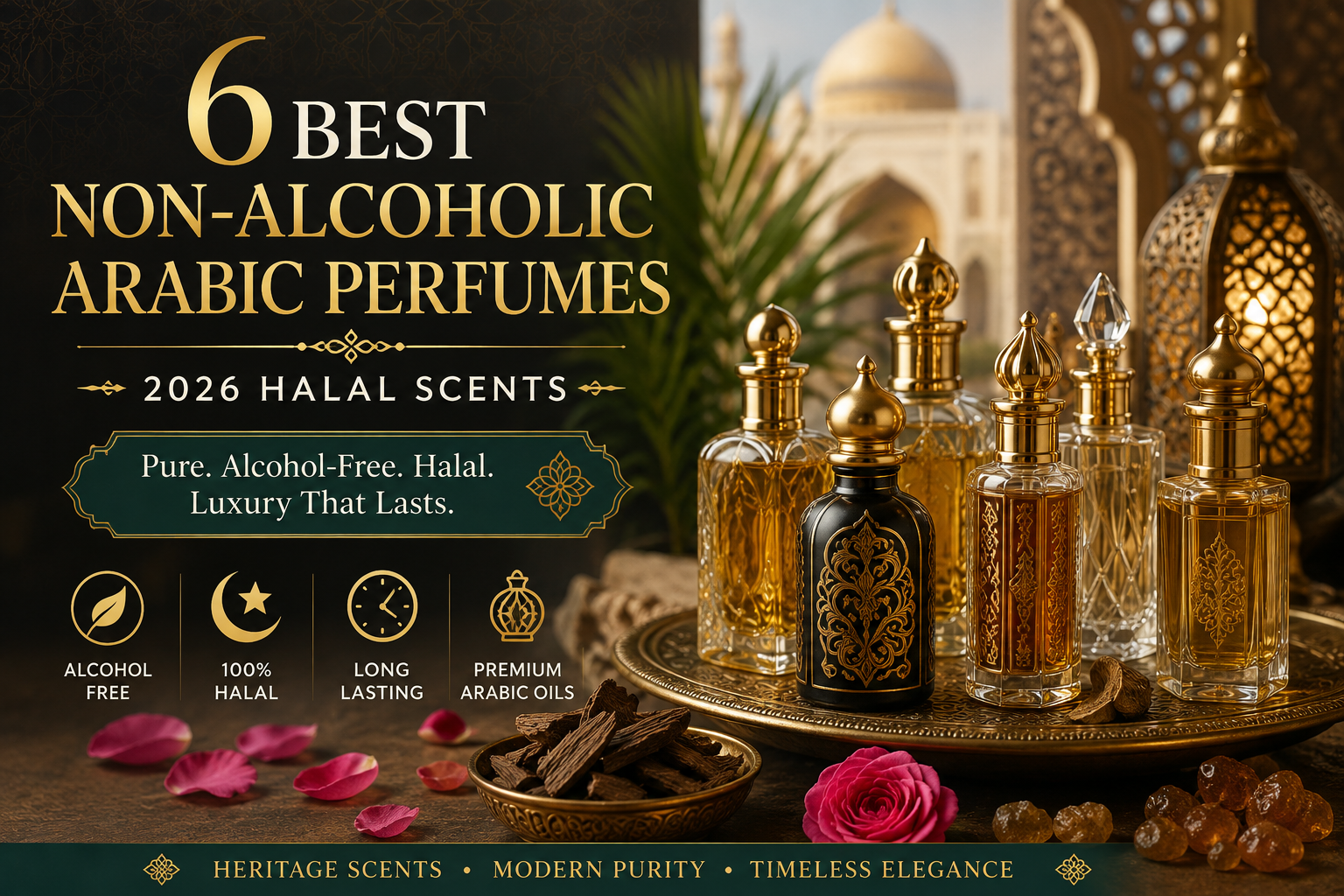
Oud and woody fragrance profiles are worth exploring if you prefer warm, earthy, deep, or sophisticated scents. Woody fragrances commonly feature ingredients such as sandalwood, cedarwood, vetiver, and patchouli, while oud-based fragrances can offer a distinctive depth and character. If you’re interested in exploring aromatic woody men’s fragrances, you can learn more about the characteristics, scent profiles, and styles commonly associated with these fragrances. When comparing these styles, test them on your skin and allow the fragrance to develop before deciding whether it suits you.
Your Perfume Buying Guide: A Simple 6-Step Process
- Understand the basics: Learn the difference between top, middle, and base notes and understand the main fragrance concentrations.
- Identify your preferences: Explore floral, amber, woody, fresh, gourmand, chypre, and fougère profiles to find the styles you enjoy.
- Test thoughtfully: Use blotter strips first, then test your favorites on skin and allow them time to develop.
- Consider the occasion: Think about the season, time of day, setting, and desired intensity.
- Prioritize longevity: If you want a longer-lasting fragrance, compare concentrations and use good application and storage practices.
- Trust your own preference: The best perfume is ultimately one that you enjoy wearing and that makes you feel confident.
Frequently Asked Questions About Choosing Perfume
How many perfumes should I test at once?
Start with around three or four fragrances. Use blotter strips first, then choose one or two favorites to test on your skin.
How long does perfume last on skin?
Longevity varies with concentration and individual skin chemistry. Parfum generally lasts longer than EDP, EDP longer than EDT, and EDT longer than EDC. Hydrated skin can also help fragrance last longer.
What perfume suits me best?
Start with your lifestyle, personality, wardrobe, and preferred scent families. Then test several fragrances on your skin and give them time to develop.
Can I wear the same perfume year-round?
Yes. However, many people prefer lighter and fresher profiles in warmer weather and richer, warmer profiles in colder conditions.
What is the best way to choose a perfume?
Understand the fragrance families and notes, test a few options on skin, consider the occasion and climate, and choose the scent you genuinely enjoy wearing.
Final Thoughts
Learning how to choose a perfume is a personal process rather than a search for one universally best fragrance. By understanding perfume notes, scent families, concentrations, testing techniques, longevity, and the occasions when you plan to wear a fragrance, you can make more confident choices. Take your time, test fragrances on your own skin, and let your preferences guide you toward a scent that feels like your own.
Backlink strategy note: Use this article as the destination for one contextual editorial link from a relevant fragrance article on DubaiOudFragrance.com. A natural anchor such as “how to choose a perfume” or “find the right fragrance for your style” fits the topic better than a branded or exact-match promotional link repeated across multiple pages.