


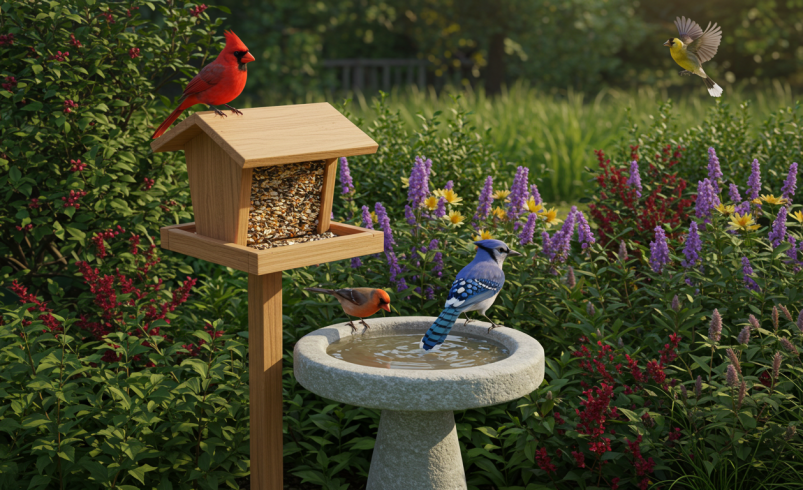

Creating an environment that welcomes birds to your yard offers numerous benefits, from natural pest control to the simple joy of observing diverse species. Successfully attracting birds involves understanding their fundamental needs and strategically providing resources. This guide will walk you through practical steps and considerations for how to attract birds, transforming your outdoor space into a vibrant haven for feathered visitors.
Understanding Birds’ Fundamental Needs
To effectively attract birds, it’s essential to recognize their core requirements for survival and thriving: readily available food, fresh water, and secure shelter. Meeting these basic needs forms the foundation of any successful bird attraction strategy.
Providing Sustenance: What to Feed Wild Birds
A consistent and varied food supply is a primary draw for birds. While many species forage naturally, supplemental feeding can significantly increase the number and diversity of birds visiting your yard. Understanding what to feed wild birds is crucial for their health and safety.
- Seeds: Black oil sunflower seeds are a universal favorite, attracting a wide range of species. Nyjer (thistle) seed is excellent for finches, while white millet appeals to ground-feeding birds like sparrows and doves.
- Suet: High in fat and calories, suet is especially valuable during colder months and for insect-eating birds like woodpeckers and nuthatches.
- Nectar: A sugar-water solution in specialized feeders is vital for attracting hummingbirds.
- Fruit: Some birds, such as orioles and tanagers, enjoy fresh or dried fruit pieces.
- Insects: A healthy garden ecosystem that supports insects provides a natural food source for many bird species, particularly during nesting season.
Offering a diverse diet caters to a broader spectrum of birds, ensuring your efforts to attract birds yield a rich variety of visitors.
The Essential Element: Water Availability
Fresh, clean water is just as important as food for birds. They need it for drinking and for bathing to maintain their feathers. A reliable water source can be a significant draw, especially during dry periods or when natural water sources are scarce. Consistent access to water is crucial year-round, even in winter, when open water can be hard to find.
Safe Havens: Shelter and Nesting Sites
Birds require safe places to rest, hide from predators, and seek refuge from harsh weather. Dense shrubs, evergreen trees, and brush piles offer natural cover. Providing suitable nesting sites, whether through natural vegetation or artificial bird houses, encourages birds to establish territories and raise their young in your yard.
Setting Up Your Bird-Friendly Space: Tools and Techniques
Once you understand birds’ basic needs, the next step is to equip your yard with the right tools and techniques to fulfill them. Thoughtful selection and placement of feeders, baths, and houses are key to successfully how to attract birds.
Selecting and Positioning the Best Bird Feeders
Choosing the best bird feeders depends on the types of birds you wish to attract and the specific food you plan to offer. Different feeder designs cater to different species and feeding habits:
- Hopper Feeders: Protect seeds from weather and allow multiple birds to feed simultaneously.
- Tube Feeders: Ideal for smaller seeds like nyjer and black oil sunflower, attracting finches, chickadees, and titmice.
- Platform Feeders: Open trays that accommodate larger birds and offer easy access for ground feeders.
- Suet Feeders: Caged feeders designed specifically for suet cakes, attracting woodpeckers, nuthatches, and wrens.
- Nectar Feeders: Specialized feeders with small ports for hummingbirds to access sugar water.
Proper placement is critical. Position feeders near cover (like trees or shrubs) to offer birds a quick escape from predators, but far enough away (at least 10-15 feet) to prevent squirrels from jumping onto them. Ensure feeders are easily accessible for cleaning and refilling.
Matching Meals: Understanding Types of Bird Seed
The variety of seeds you offer directly influences the species you attract. Knowing the types of bird seed and their appeal is essential:
- Black Oil Sunflower Seed: The most popular choice, attracting nearly all feeder birds due to its high oil content and thin shell.
- Nyjer (Thistle) Seed: A favorite of finches (goldfinches, house finches, purple finches) and pine siskins. Requires a specialized feeder.
- White Millet: Preferred by ground-feeding birds like sparrows, doves, and juncos.
- Cracked Corn: Attracts jays, doves, sparrows, and sometimes turkeys.
- Safflower Seed: Less appealing to squirrels and blackbirds, but enjoyed by cardinals, grosbeaks, and chickadees.
Always purchase fresh, high-quality seed and store it in a cool, dry place to prevent spoilage and mold.
Creating a Refreshing Oasis: How to Make a Bird Bath
A bird bath provides a vital water source and can be a focal point in your bird-friendly yard. Learning how to make a a bird bath or selecting one involves a few key considerations:
- Shallow Depth: Birds prefer shallow water, ideally no more than 1-2 inches deep at the edges, gradually sloping to a maximum of 3 inches in the center. You can add stones or gravel to provide perching spots.
- Material: Concrete, ceramic, and plastic are common. Ensure the surface is not too slippery.
- Placement: Place the bath in an open area so birds can spot predators, but near shrubs or trees for quick cover.
- Maintenance: Clean the bird bath every few days with a stiff brush and rinse thoroughly to prevent algae and bacterial growth. Fresh water is paramount.
In winter, a bird bath heater can keep water unfrozen, providing a critical resource.
Providing Homes: Bird House Placement Tips
Offering nesting sites can encourage birds to stay and raise families in your yard. Different species prefer different house designs and locations. Here are some general bird house placement tips:
- Species-Specific Design: Research the hole size, interior dimensions, and ventilation requirements for the birds you hope to attract (e.g., wrens, bluebirds, chickadees).
- Height: Mount houses at appropriate heights. Wrens might prefer 6-10 feet, while bluebirds often use houses 5-8 feet high.
- Direction: Face the entrance hole away from prevailing winds and direct afternoon sun, typically towards the east or southeast.
- Proximity to Cover: Place houses near trees or shrubs for cover, but not so close that predators can easily access them.
- Predator Guards: Consider adding baffles or guards to deter squirrels, raccoons, and cats.
Clean out bird houses annually after nesting season to prepare them for new occupants.
Designing a Natural Habitat: Cultivating a Bird-Friendly Landscape
Beyond feeders and baths, integrating natural elements into your yard creates a more holistic and sustainable environment for birds. This approach is central to creating a bird friendly garden.
Flora for Fauna: Plants That Attract Birds
Native plants are invaluable for attracting birds because they provide food, shelter, and nesting materials that local bird species are adapted to. When selecting plants that attract birds, consider those that offer:
- Berries: Holly, elderberry, serviceberry, and dogwood provide crucial food sources.
- Seeds: Coneflowers, sunflowers, and various grasses offer seeds.
- Nectar: Trumpet vine, cardinal flower, and bee balm are excellent for hummingbirds.
- Insects: Native plants support a greater diversity of insects, which are a primary food source for many birds, especially during breeding season.
- Shelter: Dense shrubs and evergreen trees offer protection from weather and predators.
A diverse planting scheme ensures a continuous food supply throughout the seasons.
Holistic Approach: Creating a Bird Friendly Garden
A truly bird-friendly garden goes beyond just planting. It involves designing a landscape that provides year-round resources and minimizes threats. Here’s how to approach creating a bird friendly garden:
- Layered Vegetation: Incorporate trees, shrubs, and groundcover to provide different levels of shelter and foraging opportunities.
- Brush Piles: A simple brush pile can offer excellent cover for small birds and insects.
- Reduce Pesticides: Avoid chemical pesticides and herbicides, as they can harm birds directly or by reducing their insect food sources.
- Leave Leaf Litter: Fallen leaves provide foraging opportunities for ground-feeding birds.
- Snags (Dead Trees): If safe, leave standing dead trees or large branches, as they provide nesting cavities and insect food.
This holistic approach ensures your garden is a safe and productive habitat.
Nectar Seekers: Strategies to Attract Hummingbirds to Your Yard
Hummingbirds are captivating visitors, and specific strategies can help you attract hummingbirds to your yard:
- Nectar Feeders: Use red feeders, as hummingbirds are drawn to the color. Fill them with a solution of one part white granulated sugar to four parts water. Do not use honey or artificial sweeteners.
- Red Flowers: Plant tubular, red, orange, or pink flowers like bee balm, cardinal flower, fuchsia, and trumpet vine.
- Placement: Hang feeders in shaded areas to prevent nectar from spoiling quickly, and near flowering plants.
- Maintenance: Clean feeders every 2-3 days, more often in hot weather, to prevent mold.
Consistency in providing fresh nectar and suitable flowers is key.
Melodious Visitors: How to Attract Songbirds to Your Backyard
To attract songbirds to your backyard, focus on providing a diverse and secure environment:
- Varied Food Sources: Offer a mix of seeds, suet, and fruit. Black oil sunflower seeds are particularly effective.
- Multiple Water Sources: A bird bath and perhaps a dripper or mister can be very appealing.
- Dense Cover: Plant native shrubs and trees that offer protection and nesting sites.
- Quiet Zones: Designate areas of your yard that are less disturbed by human activity.
- Pesticide-Free Zone: Ensure your garden is free of harmful chemicals to protect their insect food supply.
Patience and consistency are vital when trying to attract songbirds.
Addressing Common Challenges in Bird Attraction
Even with the best intentions, challenges can arise when trying to attract birds. Addressing these issues proactively ensures a safer and more enjoyable experience for both you and your feathered guests.
Outsmarting Pests: Squirrel Proof Bird Feeders
Squirrels can be persistent and consume large quantities of bird seed, deterring birds. Investing in squirrel proof bird feeders or employing deterrent strategies is often necessary:
- Baffles: Dome-shaped or cylindrical barriers placed above or below feeders can prevent squirrels from reaching the seed.
- Caged Feeders: Feeders enclosed in a wire cage allow small birds to enter but exclude squirrels and larger birds.
- Weight-Activated Feeders: These feeders close access to the seed ports when a heavy animal (like a squirrel) lands on them.
- Placement: Position feeders at least 10 feet away from trees, fences, or structures that squirrels can jump from.
Offering a separate squirrel feeder with corn or peanuts can sometimes distract them from bird feeders.
Ensuring Safety: Predator Awareness and Prevention
Birds face threats from various predators. Taking steps to minimize these risks is part of responsible bird feeding:
- Domestic Cats: Keep pet cats indoors, especially during peak bird activity hours (dawn and dusk). If outdoor access is necessary, consider a ‘cat bib’ or bell.
- Feeder Placement: Place feeders in open areas, but within 10-15 feet of dense cover. This allows birds to see predators approaching but provides a quick escape route. Avoid placing feeders directly next to dense shrubs where cats can hide.
- Window Collisions: Birds can collide with windows. Apply decals, use UV-reflective film, or hang strings/strips on the outside of windows to make them more visible to birds.
- Cleanliness: Regularly clean feeders and bird baths to prevent the spread of diseases among birds.
Frequently Asked Questions About Attracting Birds
Here are answers to common questions about how to attract birds to your yard:
- How long does it take to attract birds?
Some birds may visit feeders within hours or days of setup. However, establishing a consistent presence of diverse species can take weeks or even months as birds discover and trust your yard as a reliable resource. - What should I do if birds aren’t visiting?
Review your setup: Is the food fresh? Is the water clean? Is the feeder placement safe? Are there nearby predators? Consider adding different types of food or feeders, or planting more native vegetation. Patience is often key. - Should I feed birds year-round?
Yes, supplemental feeding can be beneficial year-round. While natural food sources are abundant in spring and summer, feeders can provide extra support, especially during nesting season. In winter, feeders are a critical lifeline. - How often should I clean my bird feeders and baths?
Bird baths should be cleaned every 2-3 days. Feeders should be cleaned every 1-2 weeks, or more frequently during wet weather or if you notice sick birds. Use a diluted bleach solution (1 part bleach to 9 parts water) followed by a thorough rinse.
Conclusion: Enjoying Your Thriving Bird Sanctuary
Successfully creating a bird-friendly environment is a rewarding endeavor. By consistently providing food, fresh water, and secure shelter, you can significantly increase your chances of learning how to attract birds and fostering a vibrant ecosystem right outside your door. The long-term benefits extend beyond mere observation; you contribute to local biodiversity and enjoy a deeper connection with the natural world. Continue to observe, learn, and adapt your strategies, and you will soon enjoy a thriving bird sanctuary.