



What Defines an Outdoor Shopping Center?
At its core, an outdoor shopping center is a retail development characterized by its open-air design, where stores are accessed directly from exterior walkways rather than from a climate-controlled interior corridor. This fundamental characteristic distinguishes it from conventional indoor malls, creating a unique atmosphere. Often referred to as an open-air mall or an outdoor retail complex, these centers prioritize accessibility and a connection to the natural environment.
Architectural Philosophy: Open Spaces and Natural Elements
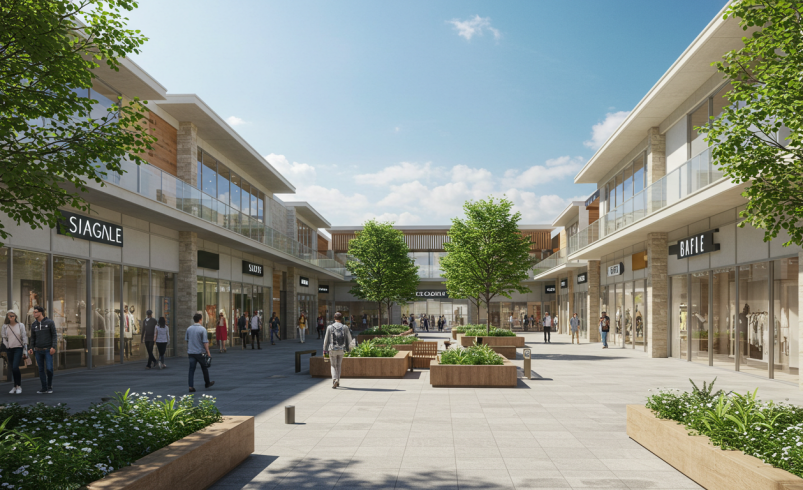
The design principles of an outdoor shopping center emphasize open spaces, natural light, and pedestrian comfort. Instead of a single, overarching roof, these complexes feature individual storefronts lining streets or plazas. Common elements include wide pedestrian walkways, landscaped green spaces, public squares, and often water features. This architectural approach contributes significantly to the overall ambiance, fostering a relaxed and inviting environment that encourages lingering and social interaction. The absence of a fully enclosed structure means visitors experience the weather, which designers mitigate with awnings, covered walkways, and strategic landscaping.
A Curated Mix of Retail, Dining, and Services
An outdoor retail complex typically offers a carefully curated tenant mix designed to appeal to a broad demographic. This often includes a blend of well-known national brands, unique local boutiques, and a diverse array of dining options outdoor shopping. Beyond retail and restaurants, many centers integrate service providers such as salons, fitness studios, and even medical offices, alongside entertainment venues like cinemas or performance spaces. This comprehensive offering aims to provide a complete lifestyle destination, where visitors can fulfill multiple needs and desires within a single, pleasant setting.
The Appeal of Lifestyle Center Shopping
The rise of lifestyle center shopping reflects a consumer desire for more than just transactional retail. These centers are designed to offer an enhanced experience, leveraging the inherent advantages of their open-air format. The benefits of outdoor shopping extend beyond mere product acquisition, focusing on comfort, community, and engagement.
Enhanced Ambiance and Environmental Comfort
One of the primary benefits of outdoor shopping is the enhanced ambiance. Visitors enjoy fresh air and natural light, which contribute to a less confined and more invigorating atmosphere compared to enclosed spaces. This environmental comfort often leads to a more relaxed and enjoyable shopping experience, reducing the sense of urgency and encouraging longer visits. The design of these centers, with their wide pathways and green spaces, provides a visually appealing backdrop that can improve mood and reduce stress. These outdoor shopping center features are intentionally integrated to create a pleasant sensory experience.
Community Hubs and Experiential Activities
Many outdoor shopping centers function as vibrant community hubs, offering more than just retail. They frequently host a variety of events, including live music concerts, seasonal festivals, farmers’ markets, and outdoor movie nights. These outdoor shopping center activities transform the complex into a social gathering place, fostering a sense of community and providing entertainment that goes beyond traditional retail transactions. This experiential aspect is a cornerstone of the lifestyle center shopping model, drawing visitors who seek engagement and connection alongside their shopping needs.
Outdoor vs. Indoor: Understanding the Key Differences
The distinction between a traditional indoor mall and a modern outdoor shopping center is fundamental, impacting everything from design to consumer behavior. Understanding the difference between outdoor mall and indoor mall highlights the unique value proposition of each format.
Architectural and Operational Contrasts
Architecturally, the most apparent difference between outdoor mall and indoor mall lies in climate control and common areas. Indoor malls are typically climate-controlled, offering a consistent temperature regardless of external weather. Their common areas are enclosed corridors connecting stores. In contrast, an outdoor retail complex relies on the natural environment, with common areas being open plazas and streets. Store access in an indoor mall is usually from an interior walkway, while in an outdoor center, stores have direct exterior access. This impacts visitor flow, as shoppers in outdoor centers often move between buildings, experiencing the elements. For retailers, the open-air format can influence store design, requiring more robust exterior signage and potentially different security considerations.
Impact on Consumer Behavior and Retailer Strategy
The environment significantly influences shopper duration and purchasing patterns. The relaxed atmosphere and experiential offerings of an outdoor shopping center can encourage longer visits, even if not all that time is spent actively shopping. Shoppers may combine retail with dining, entertainment, or simply enjoying the open space. This contrasts with indoor malls, where the focus might be more purely on transactional shopping. Retailers in outdoor settings often adapt their store designs to maximize curb appeal and integrate with the pedestrian environment. Marketing strategies may also lean into the lifestyle aspect, promoting events and experiences that complement their products, thereby leveraging the inherent benefits of outdoor shopping.
Beyond Retail: Dining and Family Experiences at Outdoor Shopping Centers
Modern outdoor shopping centers are designed as comprehensive destinations, where non-retail offerings play a crucial role in attracting and retaining visitors. This is particularly evident in their diverse culinary landscapes and family-friendly amenities.
Diverse Dining Options for Every Palate
A hallmark of many outdoor shopping centers is their extensive and varied selection of dining options outdoor shopping. From casual cafes and fast-casual eateries to upscale restaurants and international cuisine, these centers cater to a wide range of tastes and preferences. Many establishments feature outdoor seating, allowing diners to enjoy the open-air ambiance, especially during pleasant weather. This vibrant culinary scene is a key component of the overall appeal, transforming a shopping trip into a complete outing that includes meals, snacks, and social gatherings. These outdoor shopping center features enhance the visitor experience significantly.
Creating Memorable Family Outdoor Shopping Adventures
For families, outdoor shopping centers often provide a more engaging and less restrictive environment than traditional malls. Many centers incorporate amenities specifically designed for children and parents, making family outdoor shopping an enjoyable experience. This can include dedicated play areas, splash pads, interactive art installations, and open green spaces where children can run and play. Seasonal events, such as holiday celebrations, summer concerts, or themed activities, further enhance the appeal for families. These outdoor shopping center activities ensure that there is something for every age group, encouraging families to spend more time together in a dynamic and stimulating setting.
Frequently Asked Questions About Outdoor Shopping Centers
Are outdoor shopping centers only suitable for good weather?
While pleasant weather certainly enhances the experience, modern outdoor shopping centers are designed with features to mitigate weather challenges. Many incorporate covered walkways, awnings, and strategic landscaping to provide shade and shelter from rain. During colder months, outdoor heaters are often deployed in dining areas and common spaces. Seasonal events are also adapted; for instance, winter markets might feature cozy fire pits or enclosed pop-up shops. These outdoor shopping center features aim to ensure comfort across various seasons.
What is the primary advantage of an open-air mall over an enclosed one?
The primary advantage of an open-air mall is its ability to offer a more natural, less confined, and often more aesthetically pleasing environment. Visitors benefit from fresh air, natural light, and a direct connection to the outdoors. This contributes to a more relaxed and enjoyable ambiance, fostering a sense of community and encouraging longer, more experiential visits. The integration of green spaces and public plazas also provides opportunities for social interaction and events that are less feasible in an enclosed setting. This contributes significantly to the overall benefits of outdoor shopping.
Do outdoor shopping centers offer similar amenities to indoor malls?
Yes, outdoor shopping centers typically offer a comparable range of amenities to indoor malls, though their integration differs. Essential services like restrooms, ample parking, and customer service desks are standard. However, these are often distributed throughout the complex rather than centralized. Many also include family-friendly amenities such as dedicated play areas, nursing rooms, and stroller rentals. The key difference lies in how these outdoor shopping center features are woven into an open, multi-building layout, often enhancing the overall aesthetic and visitor flow rather than being confined to a single structure.
The Enduring Appeal of the Outdoor Shopping Center
The outdoor shopping center has firmly established itself as a preferred retail and leisure destination, offering a compelling alternative to traditional enclosed malls. Its unique value proposition lies in its open-air design, integration of natural elements, and emphasis on creating a holistic experience that extends beyond mere commerce. By blending a diverse retail mix with extensive dining options outdoor shopping, community events, and family-friendly amenities, these centers have cultivated an environment where visitors can shop, dine, socialize, and relax. The numerous benefits of outdoor shopping, from enhanced ambiance to a strong sense of community, underscore why lifestyle center shopping continues to thrive, evolving into dynamic hubs that cater to modern consumer preferences for engagement and experience.